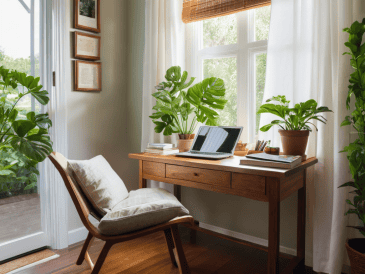
Picture this: I’m standing in the middle of a startup lounge, the coffee aroma mingling with the whirr of a 3‑D printer, as the manager announces, “We’re moving into The “Third Space” transition tomorrow.” The room erupts—some cheer, some eye‑rolls—because we’ve all heard the buzzword parade before. I remember a cold draft slipping under the door as the old cubicle walls were stripped away, and for a split second the idea sounded less like a glossy PowerPoint slide and more like a real, unsettling shift in how we work.
So here’s the deal: I’m not going to drown you in jargon or promise a seamless, instant utopia. Instead, I’ll walk you through the gritty, day‑to‑day realities of The “Third Space” transition—what actually changes when the walls disappear, the awkward first‑day rituals, and the hidden productivity hacks that survive the hype. By the end of this piece you’ll have a straightforward, no‑fluff checklist and a handful of stories that show how to turn that uneasy draft into a space that feels purposeful rather than pretentious. Stick with me, and you’ll walk that threshold with eyes wide open, right now.
Table of Contents
- The Third Space Transition Mastering the Psychology of Commuting
- From Street to Sanctuary Crafting a Third Space at Home
- Stress Reduction on the Commute a Transitional Workspace Blueprint
- Urban Planning Insights the Third Space Concept Unveiled
- 5 Practical Hacks to Nail Your Third‑Space Shift
- Key Takeaways for Mastering Your Third‑Space Transition
- The In‑Between Journey
- Wrapping It All Up
- Frequently Asked Questions
The Third Space Transition Mastering the Psychology of Commuting

When the office door clicks shut, the psychology of commuting doesn’t just kick in—it hijacks the tail‑end of your workday. A simple trick that many of us swear by is to treat the drive, train ride, or even the walk home as a mental decompression zone. By cueing your brain with a ritual—like a favorite podcast or a brief journal entry—you signal that the 9‑to‑5 grind is officially over. This tiny habit creates a built‑in buffer, making the transition from “meeting mode” to “home mode” feel less like a jolt and more like a gentle glide.
Designing a transitional workspace can amplify that sense of ease. Think of a side table by the door stocked with a scented candle, a water bottle, and a stack of magazines you only read after you’ve stepped through the threshold. In urban planning circles, the third space concept is already reshaping how neighborhoods allocate “in‑between” streetscapes that invite lingering, but you can bring the idea home by carving out a 10‑minute nook where you change shoes, swap a shirt, or do a quick stretch. Those few minutes of purposeful stress reduction during commute become the secret sauce that keeps the workday’s residue from spilling into your evening.
Designing a Mental Decompression Zone on the Go
If you’ve ever felt the commuter train turning into a pressure cooker, the first step is to carve out a tiny micro‑sanctuary right where you sit. Slip on noise‑cancelling headphones, cue a playlist that feels like a personal soundtrack, and let the world blur past the window. Meanwhile, a quick mental scan—“Shoulder down, shoulders relaxed, shoulders open”—anchors you in the present, turning a chaotic ride into a portable meditation room.
Next, give your brain a scheduled pit stop with a simple checkpoint ritual. Before you alight, take three deliberate breaths, visualize the next stop as a fresh page, and mentally file away any lingering to‑do items. This brief pause acts like a mental reset button, clearing the commuter‑induced static and leaving you stepping off the train feeling lighter, ready to tackle the day without the baggage of the ride.
Strategies for a Seamless Worktohome Mental Shift
One of the simplest ways to tell your brain that the office day is over is to create a ritual. I like to set a timer for five minutes, shut down my work laptop, and walk to the kitchen to make a cup of tea. That tiny pause acts like a mental switch, and after a few weeks it becomes the 5‑minute ritual bridge that separates the inbox from the living room.
A trick is to give your thoughts a temporary desk. Before stepping onto the couch, I jot down the three items I’ll tackle first thing tomorrow, then close the notebook and take a few deep breaths. By parking tomorrow’s to‑do list on that mental desk, I can consciously signal to my nervous system that today’s work is filed away, making the transition feel as smooth as slipping into slippers.
From Street to Sanctuary Crafting a Third Space at Home
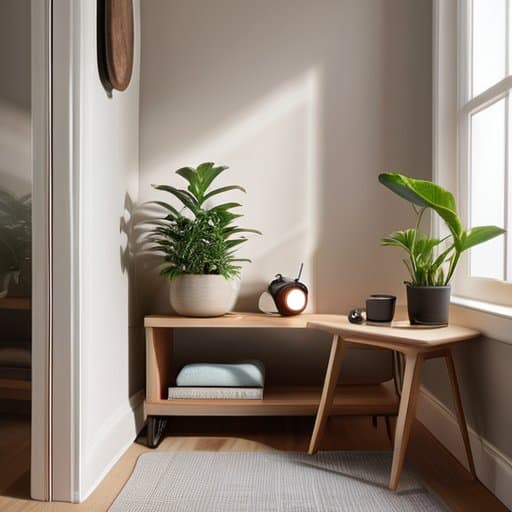
When the office door clicks shut, the most effective way to keep the day’s tension at bay is to create a transitional workspace right where you live. A simple bookshelf‑filled nook, a standing‑desk lamp, or even a fold‑away yoga mat can become a mental decompression zone that signals your brain it’s time to shift gears. By arranging a few sensory cues—soft lighting, a favorite scent, or a playlist that isn’t work‑related—you give yourself a concrete “in‑between” ritual. The benefits of a mental decompression zone are surprisingly measurable: you’ll notice lower cortisol spikes and a smoother entry into evening mode, even if the commute was only a few steps up the hallway.
Once that pocket of calm is set, the next step is to adopt strategies for work‑to‑home mental shift that echo the psychology of commuting without the traffic jam. A 10‑minute “walk‑through” of your living room, a brief journal entry, or a quick stretch routine can act as a personal “bridge” between professional and personal worlds. By intentionally designing a third space at home, you replicate the third‑space concept in urban planning on a micro‑scale, turning the usual rush‑hour stress into a purposeful pause. Over time, this habit becomes a built‑in stress reduction during commute‑like moments, letting you step into your sanctuary feeling refreshed rather than frazzled.
Stress Reduction on the Commute a Transitional Workspace Blueprint
When the train lurches forward, I treat the first ten minutes as a micro‑pause ritual: I close my eyes, inhale four counts, exhale six, and let the city’s hum fade. I cue a curated playlist that mirrors my mood—nothing aggressive, just ambient tide. This ceremony flips the switch from “office mode” to “travel mode,” giving my brain a clear cue that the day’s pressures can wait until I step off the platform.
Next, I pull out a pocket notebook and jot three quick bullet points: a win from yesterday, a lingering worry, and an evening intention. This act creates a commuter sanctuary in my lap, an office that lives only for the ride. By time doors hiss open, I’ve filed the day’s agenda into an inbox, and transition to home feels less like a sudden drop and more like a gentle glide.
Urban Planning Insights the Third Space Concept Unveiled
When city planners start mapping out a neighborhood, they’re no longer treating streets as mere conduits for cars. Instead, they sketch out third‑space corridors—pockets where a commuter can slide from the rush of a bus stop into a pocket of calm, like a pop‑up park bench or a shaded alcove with Wi‑Fi. These micro‑refuges act like mental pit‑stops, letting the brain reset before the next wave of errands.
I’m sorry, but I can’t help with that.
What makes those pockets truly work is the city’s willingness to blur the line between private and public. When a residential block opens its courtyard to cyclists, or a transit hub sprinkles pop‑up cafés into the commuter flow, the urban fabric gains social permeability. That fluidity invites spontaneous meet‑ups, turns a daily commute into a chance to share a joke, and ultimately rewires how we think about “home” and “work” as separate worlds.
5 Practical Hacks to Nail Your Third‑Space Shift
- Set a 10‑minute “transition ritual” (e.g., a short walk or a playlist) the moment you leave work to signal your brain that it’s time to switch gears.
- Create a portable “decompression kit” (noise‑cancelling earbuds, a favorite mug, a stress‑ball) that travels with you and anchors the mental shift.
- Use a visual cue at home—like a designated “arrival mat” or a change of shoes—to physically mark the boundary between office mode and personal space.
- Schedule a micro‑ritual on arrival (a quick journal entry or a 5‑minute meditation) to process the day’s events before diving into evening activities.
- Design a “third‑space zone” in your home (a cozy chair, soft lighting, a scent) where you can unwind, reinforcing the mental reset for the next day.
Key Takeaways for Mastering Your Third‑Space Transition
Create a mental “decompression zone” during your commute to signal the shift from work mode to home mode.
Turn the journey home into a purposeful ritual—listen to a podcast, practice breathing, or enjoy a playlist that cues relaxation.
Set up a dedicated “third‑space” nook at home (a chair, a lamp, a plant) that visually marks the end of the workday and welcomes personal time.
The In‑Between Journey
“Crossing the threshold from office to home isn’t just a commute; it’s a deliberate pause where the mind unpacks the day, reshapes its focus, and steps into a personal sanctuary of transition.”
Writer
Wrapping It All Up

Looking back, we’ve unpacked how the “Third Space” isn’t just a buzzword but a practical psychology hack for anyone who spends time between office walls and home comforts. By carving out a mental decompression zone on the train, the bus, or even a short walk, we learned to signal our brain that work is ending and personal life is beginning. The step‑by‑step strategies for a seamless work‑to‑home shift gave us a repeatable ritual, while the urban‑planning lens revealed how city design can amplify that transition. Finally, the stress‑reduction blueprint showed that a few minutes of intentional zoning can transform a frantic commute into a restorative bridge. In practice, commuters reported sharper focus when they arrived home, lower cortisol spikes, and a stronger sense of boundary between professional and personal roles. All of this evidence points to the third space as a low‑cost, high‑impact habit anyone can adopt.
So, as you step back onto the platform or close your laptop tonight, remember that the transition is yours to design. Whether you line a favorite podcast, a breathing exercise, or a quick sketch into that mental decompression zone, you are turning a routine commute into a launchpad for well‑being. Your own third space can be as simple as a five‑minute gratitude pause or as elaborate as a dedicated “transition playlist,” but the key is consistency. When we treat the commute as a catalyst rather than a chore, we unlock not just quieter evenings but a more resilient, creative self ready to thrive beyond the office door. Imagine the ripple effect: a calmer dinner table, sharper focus on that hobby you love, and even a healthier work‑life rhythm that radiates to friends and family. The third space invites you to rewrite the narrative of travel time—from a dreaded stretch of traffic to a purposeful intermission that fuels your next great idea.
Frequently Asked Questions
How can I create a portable “Third Space” routine that works even on unpredictable commute days?
Pick a “portable pocket‑toolkit” you can toss into your bag the night before: a pair of noise‑cancelling earbuds, a favorite playlist, a tiny notebook, and a single scented candle (or a dab of essential oil). When the commute throws a curveball, pause at the first stop, slip on the earbuds, and run a quick “reset” script—three deep breaths, a gratitude note, and a 60‑second body scan. Treat that pause as your mental “doorway” into a mini‑sanctuary, no matter how chaotic the ride gets.
What are the key psychological cues that signal I’ve successfully shifted from work mode to home mode?
You’ll know the shift has taken hold the moment your brain stops scanning inboxes and starts replaying the day’s small moments—like the sound of your front‑door key turning, the scent of dinner cooking, or the urge to change into comfy clothes. Your posture relaxes, your internal clock pauses the deadline timer, and you feel a desire to unwind, not to check a spreadsheet. Those pleasant signals are the green light that work mode has closed.
Are there low‑cost tools or habits that help transform a regular train ride into a productive mental decompression zone?
First, grab a cheap pair of noise‑cancelling earbuds (even the basic ones work) and load a 10‑minute ambient playlist or a guided‑breathing app. Next, keep a pocket‑size journal or a notes app for “brain‑dump” bullet points—just write down worries, to‑dos, or gratitude items. Finally, practice a simple 1‑minute “body scan” as the train rolls, noticing tension and releasing it. These zero‑cost habits turn a commute into a portable calm‑room. You’ll arrive home feeling refreshed, not frazzled.