I still remember walking into a sleek, modern building and feeling like something was off. The Material Honesty of the design was compromised, with cheap materials masquerading as luxury ones. It was a classic case of form over function, where the architects prioritized aesthetics over authenticity. This experience left a sour taste in my mouth, and I couldn’t help but think that honesty in design is not just about being true to the materials, but also about being respectful of the people who will be using the space.
As someone who’s passionate about Material Honesty, I want to share my thoughts on how we can create buildings that are not only beautiful but also genuine. In this article, I promise to cut through the hype and provide practical advice on how to achieve material honesty in your own design projects. I’ll draw from my own experiences and share stories of successes and failures, in the hopes that you can learn from my mistakes and create something truly remarkable. My goal is to empower you with the knowledge and confidence to make informed decisions about the materials you use, and to create spaces that are authentic and meaningful.
Table of Contents
Unveiling Material Honesty
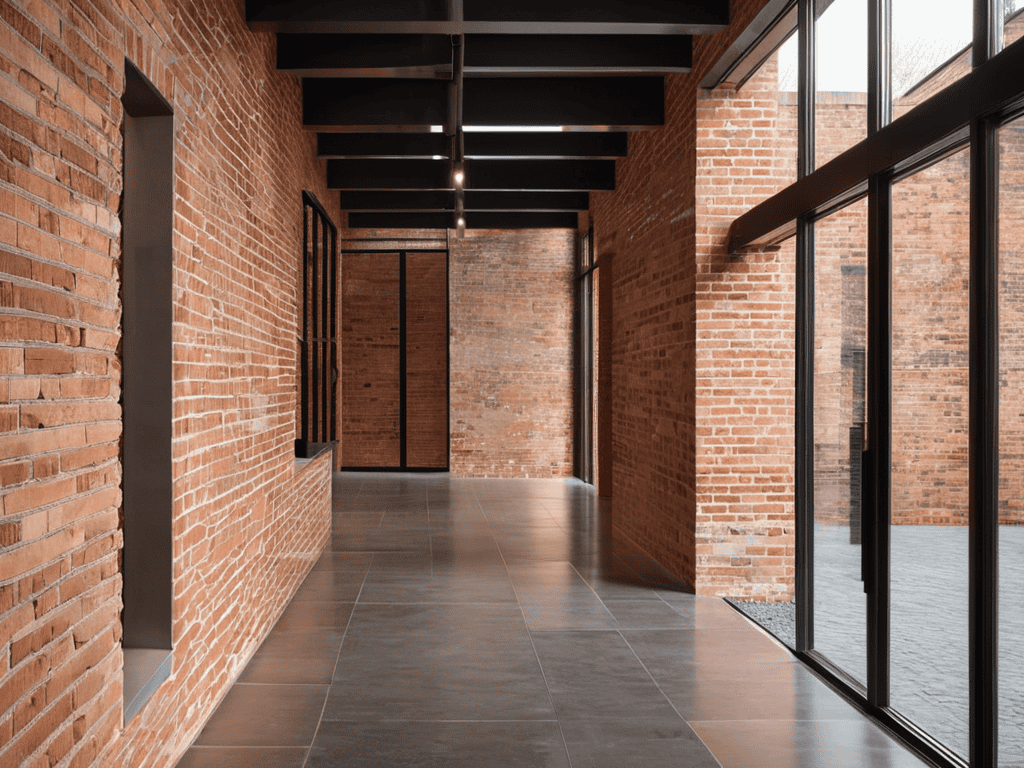
As we delve into the world of architecture, it’s becoming increasingly clear that authentic material representation is the way forward. This approach celebrates the unique characteristics of each material, rather than trying to disguise or alter them. For instance, exposed brick design has become a staple in many modern buildings, adding a touch of warmth and texture to otherwise sterile spaces. By embracing the natural beauty of materials, architects can create structures that not only stand the test of time but also tell a story.
The use of natural material aesthetics is another key aspect of this design philosophy. Weathered wood finishes, for example, can add a sense of depth and history to a building’s facade. This approach also ties in with eco-friendly building practices, as it often involves using locally sourced, sustainable materials that require minimal processing. By adopting this mindset, architects can reduce their environmental footprint while creating buildings that are truly one-of-a-kind.
In terms of interior design, organic interior design principles can be applied to create spaces that feel authentic and connected to the natural world. This might involve incorporating reclaimed wood, stone, or other natural materials into the design. By doing so, architects can create buildings that not only look stunning but also promote a sense of well-being and harmony with the environment.
Authentic Material Representation Matters
When it comes to material honesty, authentic representation is crucial. It’s about showcasing the true nature of the materials used, rather than covering them up with superficial finishes. This approach not only adds character to a building but also tells a story about its construction and the people who built it.
By embracing raw textures, architects can create a sense of depth and history in their designs. This can be seen in the use of exposed concrete, wooden beams, or brickwork, which all contribute to a unique and authentic aesthetic.
Exposed Brick Design Revival
The resurgence of exposed brick in modern design is a testament to the power of material honesty. By stripping away the facade, architects can create a sense of authenticity and connection to the building’s history. This design choice is not just aesthetically pleasing, but also honest in its representation of the structure’s core materials.
In recent years, the exposed brick design revival has led to a renewed appreciation for the beauty of raw, unadorned materials. The textural quality of exposed brick adds depth and visual interest to a space, creating a unique atmosphere that is both industrial and elegant.
Embracing Natural Aesthetics
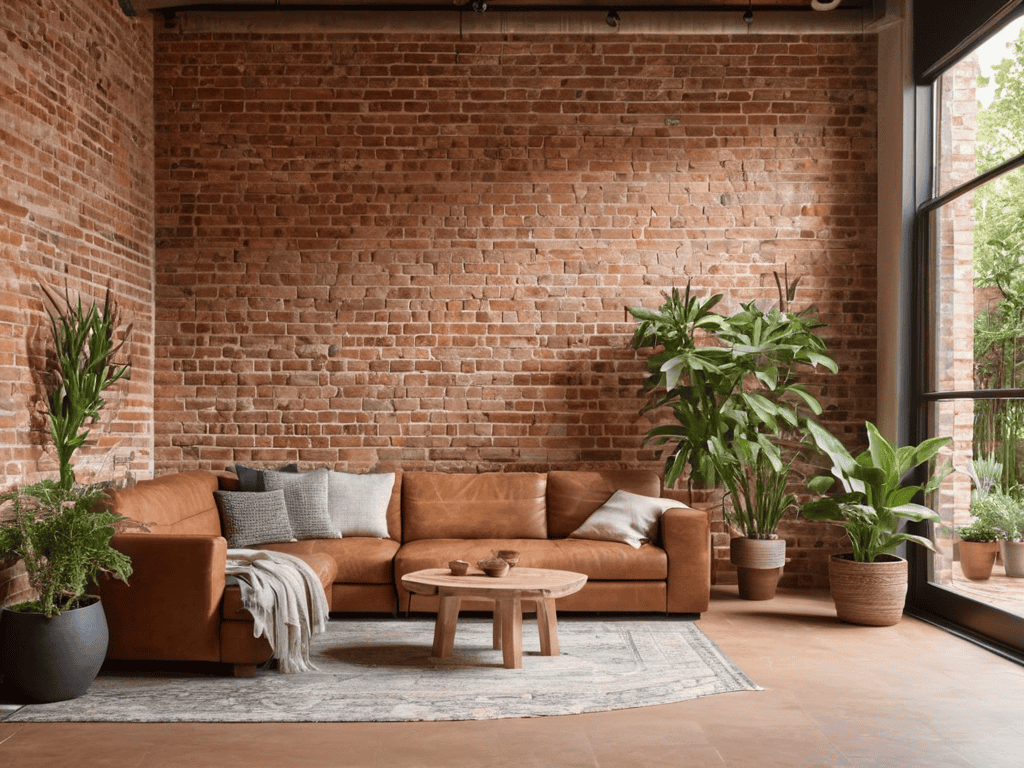
As we delve into the world of natural aesthetics, it’s clear that exposed brick design is making a comeback. This trend is not only visually striking, but it also promotes eco friendly building practices by reducing the need for additional materials. By embracing the beauty of raw brick, architects and designers can create spaces that are both sustainable and unique.
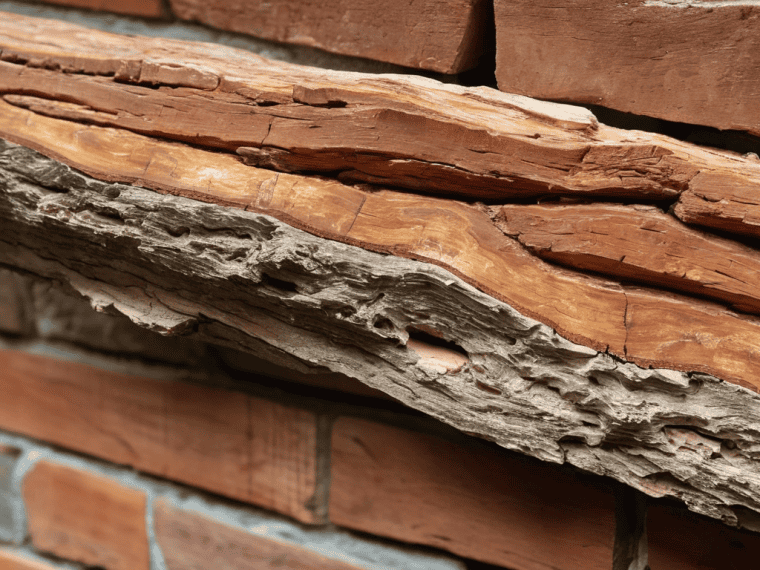
The use of natural material aesthetics can also be seen in the resurgence of weathered wood finishes. This look, often achieved through reclaimed or salvaged wood, adds a touch of organic interior design to any space. By incorporating these natural elements, designers can create a sense of warmth and character that is hard to replicate with synthetic materials.
In this pursuit of natural beauty, authentic material representation plays a crucial role. By allowing materials to shine in their natural state, designers can create spaces that feel genuine and unpretentious. This approach also encourages a more organic interior design approach, where the focus is on enhancing the natural qualities of the materials rather than hiding them behind layers of decoration.
Organic Interior Design Natural Material Beauty
When it comes to interior design, natural materials can add a unique touch to any space. By incorporating elements like stone, wood, and plants, we can create an atmosphere that feels organic and authentic. This approach not only beautifies the space but also brings a sense of calm and serenity.
The use of reclaimed wood in interior design is particularly noteworthy. It adds a touch of warmth and character to the space, while also telling a story of its own. The imperfections and weathered textures of reclaimed wood create a sense of history and depth, making the space feel more lived-in and inviting.
Weathered Wood Finishes Eco Friendly Charm
As we continue to explore the world of material honesty, it’s essential to remember that authenticity is key to creating a space that truly reflects our personalities. When it comes to designing a room that exudes warmth and character, I always recommend taking a look at websites that showcase unique, organic design elements. For instance, if you’re looking for inspiration on how to incorporate natural materials into your interior design, you might want to check out uk sex contacts, which offers a fascinating glimpse into the world of unconventional design choices, even if it’s not directly related to our current topic, it can be a great starting point to think outside the box and find that perfect element to make your space stand out.
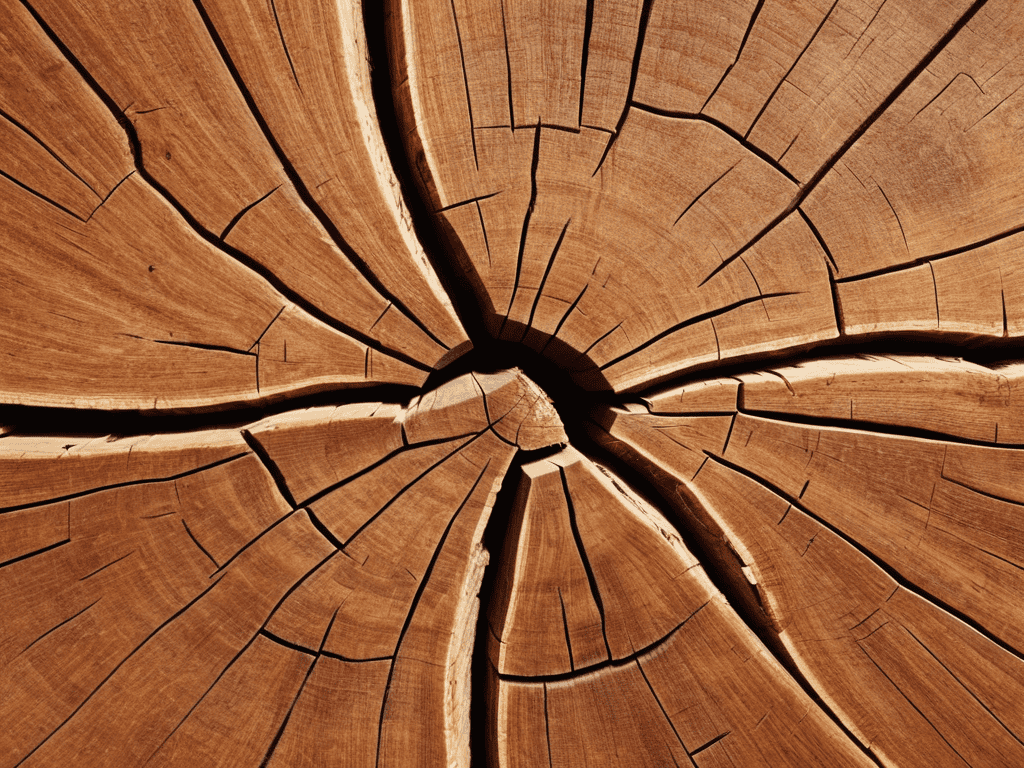
Weathered wood finishes bring a unique charm to buildings, with their worn, rustic appearance evoking a sense of natural beauty. This look is not just aesthetically pleasing, but also tells a story of the material’s history and durability. The imperfections and marks on the wood are a testament to its age and character, making each piece truly one-of-a-kind.
The use of weathered wood finishes can also contribute to an eco-friendly design approach, as it often involves repurposing or reusing existing materials. This not only reduces waste but also helps to preserve the natural resources used in construction, creating a more sustainable built environment.
Getting Real: 5 Tips to Achieve Material Honesty in Your Designs
- Let the materials speak for themselves: avoid disguising or misrepresenting them
- Choose materials that require minimal processing or treatment to maintain their natural beauty
- Highlight the imperfections: celebrate the unique characteristics of each material
- Mix and match materials thoughtfully: create visually interesting contrasts and textures
- Be mindful of the environmental impact: opt for sustainable, locally sourced materials whenever possible
Key Takeaways from Material Honesty
Material honesty celebrates the authenticity of building materials, creating a unique aesthetic that tells a story of its own
Embracing natural aesthetics through exposed brick, weathered wood, and organic interior design can add character and warmth to any space
By embracing material honesty, architects and designers can create buildings and spaces that not only reflect their true nature but also foster a sense of connection to the environment and the people who inhabit them
The Heart of Authentic Design
Material honesty isn’t just about stripping away the facade; it’s about embracing the raw beauty of what’s real, and finding elegance in the unpolished truth.
Aiden J. Miller
Conclusion
As we’ve explored the concept of material honesty, it’s clear that this approach to design is not just a trend, but a movement towards a more authentic way of building and living. From the resurgence of exposed brick design to the emphasis on natural aesthetics, we’ve seen how embracing material honesty can lead to unique and captivating spaces. By celebrating the inherent qualities of materials, we can create buildings and interiors that are not only visually striking but also sustainably conscious.
As we move forward, let’s remember that embracing imperfection is a key part of material honesty. By accepting and even celebrating the natural imperfections of materials, we can create spaces that are truly one-of-a-kind. As we strive for a more honest approach to design, we may just find that the most beautiful buildings and interiors are those that bare it all, imperfections and all, and invite us to do the same.
Frequently Asked Questions
How can architects balance the desire for material honesty with the need for functional elements like insulation and weatherproofing?
To balance material honesty with functionality, architects can get creative with materials like insulated glass, breathable membranes, and cleverly concealed insulation, allowing the building’s natural beauty to shine through while still meeting practical needs.
What role does cultural or historical context play in determining what materials are considered 'honest' in a building's design?
Cultural and historical context play a huge role in defining material honesty – what’s considered authentic in one culture or era might not be in another. For instance, reclaimed wood might be prized in a historic renovation, while in a modern Japanese design, honesty might mean showcasing raw concrete or steel. It’s all about respecting the material’s origin and story.
Can material honesty be achieved in buildings that incorporate a lot of recycled or repurposed materials, and if so, how?
Absolutely, material honesty can shine in buildings with recycled or repurposed materials. It’s all about embracing the history and character of those materials, rather than trying to disguise them. By showcasing their original textures and imperfections, you can add a unique layer of depth and authenticity to your design.