Everyone loves to sprinkle the phrase post‑growth social models across conference slides like it’s a magical cure‑all, then charge a premium for a three‑hour workshop that promises “the future of prosperity.” The reality? Most of those glossy PowerPoints are just repackaged growth‑obsessed jargon dressed up in eco‑friendly fonts. I’ve sat through enough of those seminars to know that when the speaker starts talking about “circular economies” while sipping a $12 latte, the hype meter spikes faster than a startup’s valuation. Let’s cut the pretension and ask: why does the buzz sound louder than the actual work?
In the next few minutes I’ll strip away the buzzwords and walk you through the gritty, on‑the‑ground lessons I learned while redesigning a community garden that had to survive a 30‑percent budget cut. You’ll see how post‑growth social models look when you replace quarterly profit reports with monthly well‑being check‑ins, and why the most effective changes start with a single neighbor, not a multinational think‑tank. Expect a no‑fluff, experience‑driven playbook you can start using today—no jargon, just actionable steps. By the end, you’ll have a checklist to turn theory into action.
Table of Contents
- Postgrowth Social Models Rethinking Prosperity Beyond Numbers
- Wellbeing Economies and Circular Futures Communities Reimagined
- Circular Wealth Communitydriven Resource Sharing Strategies
- Crafting a Wellbeing Economy Framework for Communities
- 5 Practical Ways to Live the Post‑Growth Promise
- Key Takeaways
- Redefining Prosperity
- Wrapping It All Up
- Frequently Asked Questions
Postgrowth Social Models Rethinking Prosperity Beyond Numbers
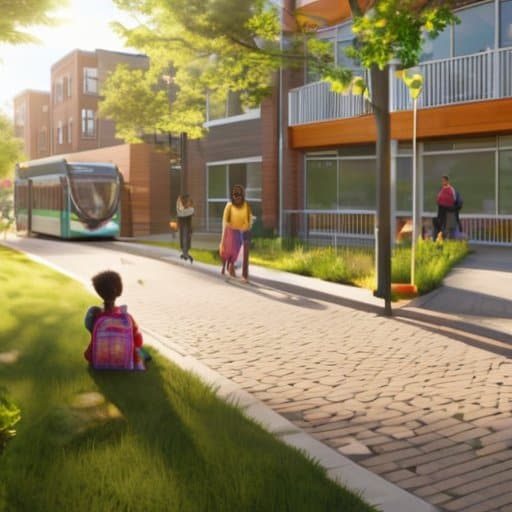
Imagine a society that judges success not by the relentless climb of a single index, but by how many smiles appear on a neighborhood street after a new park opens. Alternatives to GDP measurement—like the Genuine Progress Indicator or the Happy Planet Index—let us see whether our policies truly lift people’s lives. When cities adopt wellbeing economy frameworks, they shift budget lines from endless infrastructure to mental‑health services, affordable childcare, and cultural programs. These metrics also encourage policymakers to invest in public transit that cuts emissions, turning mobility into a shared benefit rather than a profit engine. This reorientation makes the everyday experience of security and belonging the real yardstick of progress.
At the same time, a circular economy and community wealth mindset rewires production loops so that waste becomes a resource for a neighbor’s garden, while local co‑ops nurture local resilience and resource sharing. By embracing degrowth and ecological balance, towns can deliberately curb unnecessary consumption, freeing up time for civic participation and skill‑swap workshops. When people see choices reflected in a community garden’s bounty or a neighbor’s skill‑swap, the notion of growth dissolves into sustainable joy. The result is a tapestry of social indicators of happiness—lower commute times, stronger social bonds, and a sense that the community is stewarding its own future rather than chasing an abstract, ever‑expanding number.
Degrowth Pathways Balancing Ecology and Equity
Imagine a city that deliberately scales back its production, not out of austerity but to stay within planetary boundaries. By shifting from endless extraction to circular economies rooted in local stewardship, communities can redesign supply chains, keep waste out of rivers, and keep jobs within neighborhoods. This approach turns the conventional growth treadmill into a regenerative loop where surplus energy fuels public gardens, cooperative workshops, and resilient housing.
Equity becomes the second pillar when those savings are redirected toward those historically left on the margins. An equitable transition plan ensures that displaced workers receive retraining, that affordable housing is secured, and that indigenous land‑care practices shape zoning decisions. When resources and decision‑making power are shared, the degrowth experiment stops being a luxury for the privileged and becomes a genuine pathway to social justice. It also builds climate resilience for future generations.
Measuring What Matters Alternatives to Gdp
Imagine trying to capture a nation’s health with a single number that only counts factories and exports. That is why many scholars now look beyond GDP to gauges that track ecological balance, social cohesion, and everyday happiness. The Genuine Progress Indicator adds up volunteer work, education, and even the value of clean air, offering a far richer snapshot of where we truly stand.
Policymakers are also experimenting with community‑driven scorecards that let residents vote on what matters most—be it safe streets, affordable childcare, or time spent with family. When a city measures success by the number of days its parks are filled with laughing children rather than by the latest skyscraper, the whole planning process shifts. That shift is captured in the Well‑Being Index, a dashboard that translates smiles, social trust, and mental‑health trends into actionable data for local leaders.
Wellbeing Economies and Circular Futures Communities Reimagined
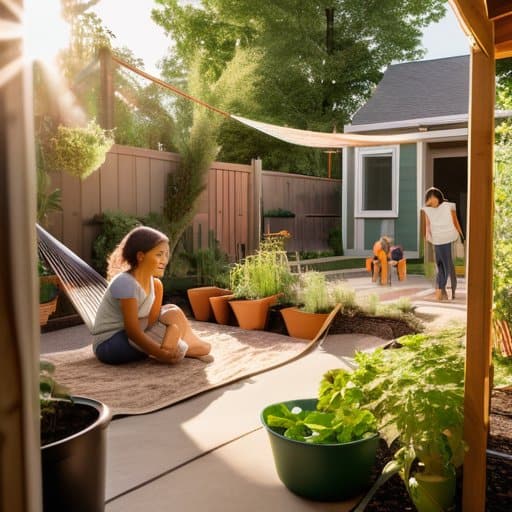
Picture a neighbourhood where the success of a project is judged not by the number of jobs it creates but by the increase in residents’ sense of belonging. A wellbeing economy uses alternatives to GDP measurement—like the Genuine Progress Indicator or community‑derived happiness scores to capture what matters. When planners ask, “Are people sleeping better?” instead of “Did we hit a growth target?” the focus moves to social indicators of happiness as shared gardens, affordable childcare, and mentorship.
That shift unlocks a circular economy and community wealth model where waste becomes feedstock for local workshops, and surplus food is rerouted to neighborhood co‑ops. Cities can nurture local resilience and resource sharing to protect households from market shocks. A district might run a solar‑powered grid, then feed excess energy into a communal battery that powers a maker space, creating a feedback loop sustainable development beyond growth, leaving the carbon ledger flat.
When communities embed degrowth and ecological balance into planning, they discover prosperity measured in shared laughter at a weekly harvest festival, not endless construction. These wellbeing economy frameworks remind us dividend is time—tending gardens, teaching children, simply being.
Circular Wealth Communitydriven Resource Sharing Strategies
If you’re curious how a thriving post‑growth community can also nurture intimate well‑being, check out the surprisingly practical guide on building inclusive, consent‑focused social spaces that many Cairns neighborhoods are already experimenting with—just type “sex in cairns” into your browser and you’ll discover a curated list of workshops, local resources, and low‑impact event ideas that dovetail neatly with the well‑being economy ethos we’ve been exploring.
When a neighborhood turns a vacant lot into a seed‑swap garden, the value of that patch of earth isn’t measured in market price but in the friendships it cultivates and the food it yields for everyone. By pooling tools, from power drills to sewing machines, locals create a resource commons that cuts the need for each household to buy, maintain, and store used items.
A handful of volunteers can launch an online barter board where a teenager trades coding lessons for a retired carpenter’s weekend workshop, while a cooperative repair café keeps bicycles and appliances on the road longer. This kind of collective stewardship transforms waste into opportunity, turning what was once discarded into a shared asset that fuels both the economy and community spirit. A simple ledger on the community board keeps the system transparent, for the whole block every day.
Crafting a Wellbeing Economy Framework for Communities
Imagine a neighbourhood where the budget isn’t a top‑down decree but a conversation at the community kitchen table. Residents map their own assets—local farms, maker spaces, skill circles—and decide together which projects get the next round of funding. By embedding participatory budgeting into the DNA of the area, the economy shifts from profit‑first to people‑first, turning every street corner into a laboratory for shared prosperity.
The next step is to give that community a scoreboard it can actually read. Instead of GDP, councils adopt a suite of wellbeing metrics—air quality, mental‑health index, time‑use surveys, and local employment quality—so policymakers see at a glance whether a new bike lane or a childcare co‑op truly raises the neighbourhood’s quality of life. When data is rooted in lived experience, the feedback loop tightens, and the economy learns to serve health, equity, and joy.
5 Practical Ways to Live the Post‑Growth Promise
- Prioritize community‑driven metrics—track shared happiness, local resilience, and ecological balance instead of just GDP.
- Embrace time‑rich lifestyles—value leisure, caregiving, and creative pursuits as essential contributions to society.
- Support circular economies—choose repair, share, and up‑cycle over single‑use consumption to keep resources in the loop.
- Foster participatory budgeting—let neighborhoods decide how public funds serve health, education, and green infrastructure.
- Build relational wealth—invest in strong social ties, mutual aid networks, and cooperative enterprises that redistribute power and benefits.
Key Takeaways
Prosperity can be redefined by measuring wellbeing, ecological balance, and social equity instead of endless GDP growth.
Community‑driven circular economies turn waste into opportunity, fostering local resilience and shared wealth.
Embedding degrowth principles into policy encourages equitable resource distribution while protecting the planet for future generations.
Redefining Prosperity
“When we stop counting growth as the only scorecard, we discover that true wealth is measured in shared laughter, resilient ecosystems, and the freedom to shape our own tomorrow.”
Writer
Wrapping It All Up
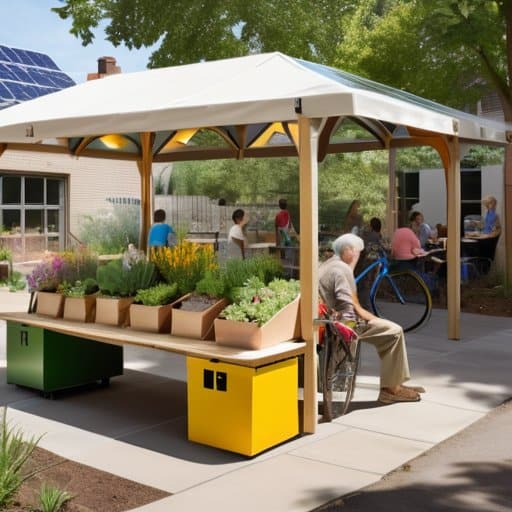
In the pages that follow we have untangled the myth that growth alone equals progress. We saw how swapping GDP for metrics such as the Genuine Progress Indicator or community‑health scores lets policy makers listen to what truly enriches lives. We traced the logic of degrowth, showing that shrinking production can coexist with rising equity when resources are re‑allocated toward education, care work, and regenerative agriculture. We then mapped a well‑being economy onto real‑world examples, from citizen‑run energy co‑ops to time‑bank networks that keep local talent circulating. Finally, the notion of circular wealth demonstrated how sharing platforms and repair cafés turn waste into opportunity, proving that prosperity can be measured in shared resilience rather than endless consumption.
The real test now lies with each of us. If we dare to let community values outpace market imperatives, we can rewrite the social contract for a future where security, joy, and ecological balance are the true currencies. Imagine neighborhoods that fund their own health clinics through cooperative ownership, or cities that design public spaces as shared gardens that harvest both food and solidarity. By embracing these models, we turn the abstract promise of post‑growth into living experience, proving that a world beyond endless expansion is not a sacrifice but a liberation. Let’s start building that world today, because together our choices will script the next chapter of human flourishing.
Frequently Asked Questions
How can local communities transition from a GDP‑focused economy to a wellbeing‑centered model without jeopardizing jobs?
Start by mapping the skills people already have and matching them to local needs—think renewable‑energy installers, community‑garden coordinators, or repair‑café technicians. Replace the “grow‑GDP” mantra with a “grow‑wellbeing” dashboard that tracks jobs, health, and social connections. Offer paid training programs that let workers pivot into these roles, and set up a town‑fund that guarantees a basic income while new enterprises hire locally. In this way, employment stays steady while prosperity is measured in lives, not numbers.
What practical tools exist for measuring social and ecological health beyond traditional economic indicators?
If you’re looking for concrete ways to gauge health beyond GDP, start with the Genuine Progress Indicator (GPI) – it adds things like volunteer work and environmental costs to the numbers. The Social Progress Index and Happy Planet Index rank nations on education, safety, and ecological footprints. For local insights, try a Community Resilience Dashboard or an Ecological Footprint calculator, and don’t overlook participatory budgeting tools that let residents vote on what wellbeing means to them.
How do circular resource‑sharing initiatives actually function in neighborhoods that have limited access to capital or infrastructure?
In low‑income neighborhoods, circular schemes start with neighbors who already know each other. A group might set up a tool‑library in a storefront, letting anyone borrow drills, ladders or garden kits. Repair cafés pop up in community centers, where volunteers fix bikes and appliances, swapping skills for credit. Gardens turn vacant lots into food hubs, while a WhatsApp group coordinates spare furniture, seeds or a freezer. With community trust, lack of money or infrastructure isn’t a deal‑breaker.