
Last night, while I was tweaking the logic on my smart lighting setup—a little weekend experiment to see if I could automate my morning mood—I realized just how much we take our digital perimeters for granted. We often fall into the trap of thinking that buying the most expensive, shiny new router is the ultimate solution to digital safety, but that’s a massive misconception. In reality, learning how to secure your home wireless network isn’t about chasing the latest hardware hype; it’s about understanding the invisible architecture of your daily life. As Isaac Asimov once hinted in his explorations of a hyper-connected future, the tools we build can either serve us or become our vulnerabilities if we aren’t truly intentional about their design.
I’m not here to sell you a subscription to a premium security suite or drown you in technical jargon that sounds like it was pulled from a Silicon Valley white paper. Instead, I want to offer you a practical, battle-tested roadmap based on my years of navigating both tech ecosystems and future trends. I promise to provide you with straightforward, actionable steps that prioritize your privacy without turning your living room into a high-security bunker. We’re going to secure your digital threshold together, ensuring your home remains exactly what it should be: your own private sanctuary.
Mastering Wpa3 Encryption Settings for Future Proof Defense
If you’re still relying on the older WPA2 standard, you’re essentially guarding your digital front door with a lock that’s been widely studied and picked by modern tools. Transitioning to WPA3 encryption settings is one of the most significant leaps we can take toward future-proofing our personal environments. This protocol offers much more robust protection against brute-force attacks, ensuring that even if a bad actor tries to guess your credentials, the system is designed to shut them down before they breach your perimeter. It’s about creating a resilient layer of defense that evolves alongside the threats of tomorrow.
However, a strong encryption standard is only as effective as the ecosystem surrounding it. While you’re in the settings, I highly recommend disabling WPS for security purposes; that “easy connect” button is often more of a backdoor than a convenience. I often find myself tinkering with my own smart home setup, and I’ve learned that true security requires a multi-layered approach. Beyond just the encryption, ensuring your hardware is running the latest software is vital, as keeping up with router firmware update importance is the only way to patch the vulnerabilities that hackers are constantly hunting for.
Changing Router Admin Password to Block Unforeseen Intrusions
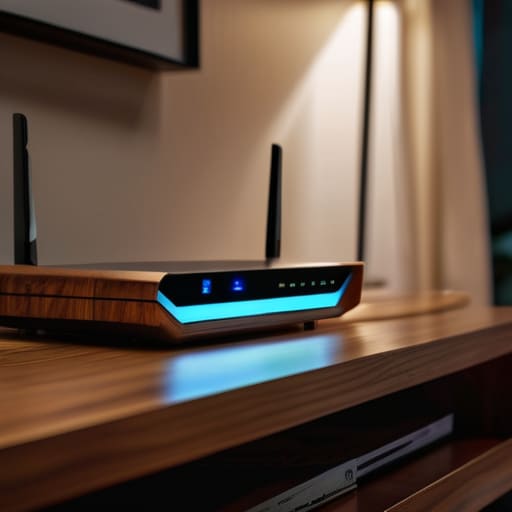
It’s a classic oversight, much like leaving the keys in the ignition of a starship while you step away to check the sensors. We often spend so much time perfecting our WPA3 encryption settings that we forget the most basic gatekeeper: the administrative credentials. Most routers ship with a factory-default password like “admin” or “password,” which is essentially an open invitation for anyone with a basic scanning tool to walk right into your digital living room. Changing router admin password from its default state is perhaps the single most effective way of preventing unauthorized Wi-Fi access at the architectural level.
Think of this step as reinforcing the bulkhead of your personal network. If a bad actor gains access to your admin panel, they aren’t just eavesdropping; they own the environment, potentially allowing them to reroute traffic or disable your other security measures. I always tell my clients that true digital sovereignty begins with the basics. By creating a unique, complex credential for your router’s management interface, you aren’t just checking a box; you are ensuring that the control over your connected world remains firmly in your hands.
Building Your Digital Fortress: Five Strategic Layers of Defense
- Segment your digital life by creating a dedicated Guest Network; by isolating your smart home gadgets and IoT devices from your primary computers, you ensure that a vulnerability in a smart lightbulb doesn’t become a backdoor to your private data.
- Audit your connected ecosystem regularly to identify “ghost devices”—those old tablets or forgotten smart plugs that are still pinging your network—because every unmonitored connection is a potential crack in your perimeter.
- Disable WPS (Wi-Fi Protected Setup) immediately; while that single-button connection feature feels like a convenience from a simpler era, it’s essentially a wide-open window for anyone with the right tools to bypass your security.
- Implement MAC Address Filtering as an extra layer of scrutiny, allowing you to curate a “whitelist” of trusted devices so that even if a password is compromised, an unknown intruder still finds themselves locked out at the gate.
- Keep your router’s firmware updated like you would a vital piece of software; in the words of the old sci-fi masters, “the machines must be maintained,” and in our case, those updates are the only way to patch the evolving exploits of tomorrow’s digital landscape.
Securing Your Digital Horizon
As we’ve explored, fortifying your home network isn’t a one-and-done task; it’s an ongoing practice of digital stewardship. By mastering WPA3 encryption and moving beyond those default, easily guessed admin passwords, you aren’t just checking boxes on a technical manual—you are actively closing the gaps in your personal perimeter. We’ve looked at how these small, deliberate adjustments create a layered defense that can withstand the evolving tactics of modern intruders. It’s about moving from a state of passive connectivity to one of proactive digital sovereignty, ensuring that the tools meant to serve you don’t inadvertently become the very vulnerabilities that compromise your privacy.
In the words of a vintage sci-fi paperback I picked up last week, “The future is not a destination, but a series of choices made in the present.” Securing your Wi-Fi is one of those foundational choices. While the technology will undoubtedly shift and the complexity of our smart environments will grow, your commitment to informed foresight will remain your greatest asset. Don’t view these security steps as a chore, but as an investment in the stability of your future home. By taking control today, you ensure that when we finally step into those high-tech worlds we once only dreamed of, we do so on our own terms.
While we’re tightening these digital bolts, I’ve found that the most effective defense often comes from staying informed about the evolving landscape of online safety and community standards. It’s easy to get lost in the technical weeds, but sometimes the best way to protect your personal space is to understand how different digital ecosystems operate. I often find myself browsing resources like Sexwinnipeg to better grasp how various niche communities manage their own privacy and social boundaries, which can offer a surprisingly useful perspective on how we curate our own digital lives. After all, as Isaac Asimov once hinted, the tools we build are only as safe as the social frameworks we wrap around them.