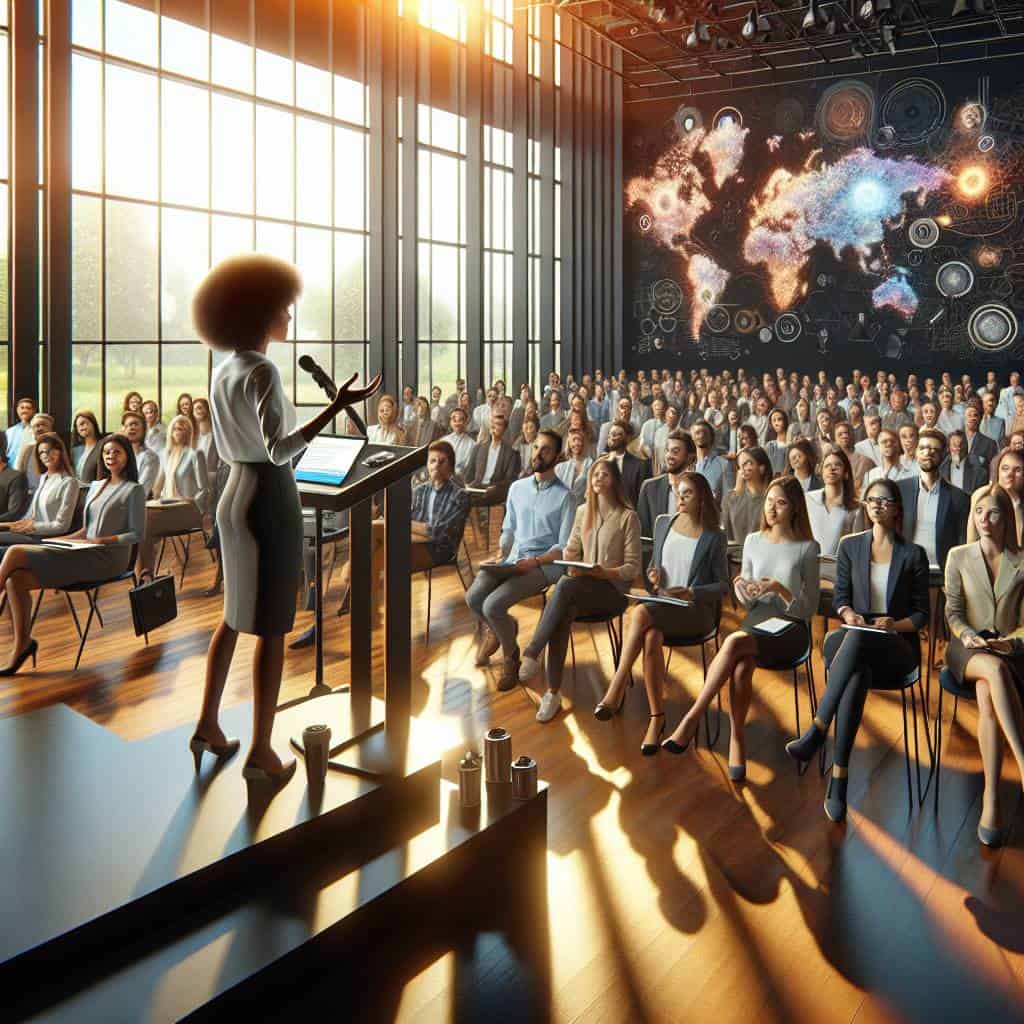
I once found myself at a swanky tech conference, the kind where “disruptive” ideas are served alongside overpriced croissants. Picture it: a room full of earnest faces nodding along to a keynote about revolutionizing social impact with a new app. An app, mind you, that essentially did nothing more than connect people who were already connected. I stood there, clutching my lukewarm coffee, wondering if I was the only one who saw through this emperor’s new clothes. It was like watching the same magic trick performed for the umpteenth time, knowing full well the rabbit was never in the hat to begin with.
But, there’s a silver lining—or at least a slightly tarnished one. Beneath the buzzwords and recycled ideas lies something worth exploring. The real story isn’t about the shiny new gadgets, but the grit behind genuine change. In this piece, we’ll dive headfirst into the murky waters of so-called innovation, separating the true catalysts of progress from the glittery distractions. We’ll tackle the intersection of technology and social good, and maybe—just maybe—find a glimmer of authenticity in a world that desperately needs it. Buckle up; it’s going to be a ride worth taking.
Table of Contents
When Technology Meets Humanity: A Love-Hate Relationship
Let’s dive into this tangled web where technology and humanity collide. It’s like watching a soap opera where love and resentment are the main characters, forever intertwined in a dance of progress and pitfalls. On one hand, technology is the shiny knight promising to elevate humanity to new heights. It whispers sweet nothings of efficiency, connectivity, and solutions to problems we never even knew we had. But, like any infatuation, there’s a dark side lurking beneath the surface. The same tools that connect us can isolate us, creating bubbles of curated reality that ignore the messy, beautiful chaos of the human experience.
We find ourselves in a paradox—progress demands change, yet change can be terrifyingly disruptive. As we chase innovation in social impact, hoping to make the world a better place, we often forget that not all tech-driven solutions are created equal. Some innovations are little more than digital band-aids slapped on gaping societal wounds, while others have the potential to redefine how we interact with the world around us. But here’s the kicker: real progress requires a balance, a sweet spot where technology serves humanity, not the other way around. It’s about creating solutions that enhance our lives without stripping away the very essence of what makes us human. So, as we navigate this love-hate relationship, let’s aim for the kind of innovation that’s grounded in empathy, not just in zeros and ones.
The Illusion of Progress
In the world of social impact, ‘innovation’ often means dressing up yesterday’s ideas in tomorrow’s technology, hoping no one notices the lack of real change.
Innovation: The Art of Dressing Old Wounds
So, here I am, staring down the barrel of another so-called ‘innovative’ era, and I can’t help but feel like we’re just painting over cracks. Technology promises us a revolution, a new dawn, but often it’s just a glossier version of what we’ve seen before. It’s a bit like putting lipstick on a pig and calling it progress. Don’t get me wrong, I love a good gadget as much as the next person, but let’s not pretend we’re reinventing the wheel every time we slap a digital sticker on it.
In the end, maybe it’s not about the ‘innovation’ itself, but the conversation it sparks. Maybe the true progress is in the questions we start asking. Are we just chasing the next shiny thing? Or are we actually making strides toward meaningful change? It’s a messy, chaotic ride—one that requires more than just tech. It demands a deeper look at what really matters and who’s truly benefiting. So here’s to hoping we stop just talking the talk and actually start walking that long, winding road to real impact. After all, nothing worthwhile ever came easy.