
As I stood before the haunting ruins of the Chernobyl disaster, I realized that visiting dark tourism sites is not just about morbid curiosity, but about paying respects to the past. This experience led me to create a guide to visiting dark tourism sites respectfully, as I believe it’s essential to approach these sites with sensitivity and awareness. The common myth that dark tourism is solely about entertainment or thrill-seeking is not only misleading but also disrespectful to the history and people involved. In reality, it’s about understanding the somber beauty of these destinations and the importance of preserving their stories.
In this article, I promise to provide you with practical advice on how to visit dark tourism sites with respect and reverence. You’ll learn how to navigate these sensitive locations, from researching the site’s history to being mindful of your behavior and interactions with local communities. By following this guide, you’ll be able to have a more meaningful and respectful experience, and honor the memories of those who were affected by these events. Whether you’re a seasoned traveler or just starting to explore the world of dark tourism, this guide will help you make the most of your experience while being respectful of the past.
Table of Contents
Guide Overview: What You'll Need

Total Time: varies depending on location and number of sites visited
Estimated Cost: $50 – $200
Difficulty Level: Intermediate
Tools Required
- Research materials to understand the history and significance of each site
- Camera for respectful photography
- Notebook and pen for reflection and journaling
Supplies & Materials
- Respectful clothing to dress appropriately for each site
- Water and snacks to stay hydrated and energized during visits
- Map or guidebook to navigate and find sites
Step-by-Step Instructions
- 1. First, research the site you plan to visit thoroughly, understanding its history, cultural significance, and any specific rules or guidelines that are in place for visitors. This initial step is crucial in setting the tone for a respectful visit, allowing you to appreciate the site’s importance and prepare yourself for the experience. As I always say, quoting from Isaac Asimov’s science fiction, “The most exciting phrase to hear in science, the one that heralds new discoveries, is not ‘Eureka!’ but ‘That’s funny…'”, and in this context, understanding what makes a site significant is key to an enlightening experience.
- 2. Upon arrival, take a moment to reflect on the site’s history and the events that have led to its current state. This moment of introspection can help you connect with the place on a deeper level, fostering a sense of respect and reverence. Remember, the goal of visiting dark tourism sites is not merely to observe, but to understand and learn from the past, ensuring that we do not repeat the mistakes of our predecessors.
- 3. When exploring the site, be mindful of your surroundings and behavior, ensuring that your actions do not disrespect the site or its history. This includes avoiding disruptive behavior, not touching or damaging any part of the site, and following any instructions provided by guides or signage. It’s also important to be considerate of other visitors, allowing everyone to have a meaningful and respectful experience.
- 4. If you’re visiting a site with a guide, listen attentively to the information provided, asking questions respectfully and thoughtfully. Guides often have deep knowledge of the site’s history and can offer insights that might not be immediately apparent, enhancing your understanding and appreciation of the site. This is also an opportunity to learn about the local culture and how the site fits into the broader historical context.
- 5. Respect local customs and traditions by dressing appropriately and following any cultural or religious guidelines that apply to the site. This demonstrates your respect for the site and the community associated with it, helping to foster a positive and respectful interaction between visitors and locals. As we navigate these sites, it’s essential to remember that we are guests in someone else’s history.
- 6. When taking photographs or videos, do so in a way that is respectful and unobtrusive, avoiding the use of flash or tripods that might disrupt the experience for others. It’s also important to consider whether photography is appropriate at all, especially in sites of religious or cultural significance. Remember, the primary goal of your visit should be to learn and reflect, not just to capture images.
- 7. After visiting the site, take time to reflect on your experience, considering what you’ve learned and how it has impacted your perspective. This reflection can be a powerful tool for personal growth, allowing you to integrate the lessons of the past into your present and future. As I often quote from Arthur C. Clarke, “Any sufficiently advanced technology is indistinguishable from magic,” but in the context of dark tourism, it’s our ability to learn from the past that holds the true magic for shaping a better future.
Respectful Dark Tourism Guide
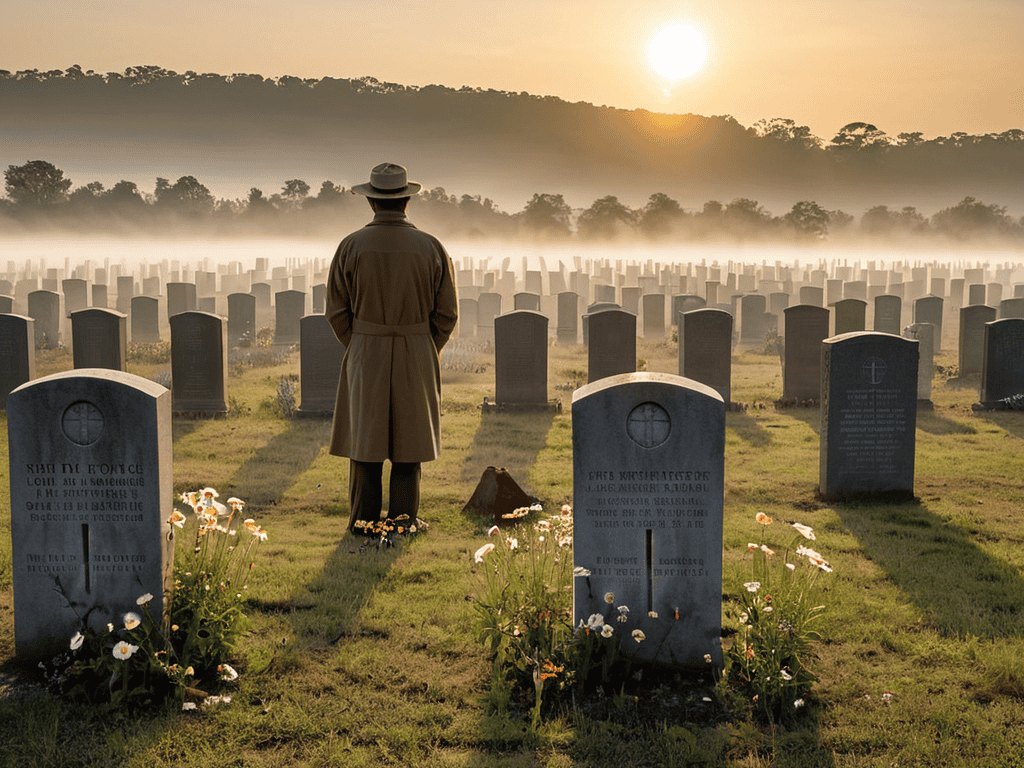
As we delve into the world of dark tourism, it’s essential to consider cultural sensitivity in our travels. This means being mindful of the local perspectives and historical context surrounding each site. By taking the time to understand the significance of these locations, we can foster a deeper appreciation and respect for the people and events that have shaped them. Respectful travel to disaster zones requires a thoughtful and considerate approach, one that acknowledges the gravity of the site’s history.
When visiting historical sites, it’s crucial to practice historical site etiquette. This includes refraining from touching or damaging artifacts, staying on designated paths, and avoiding disruptive behavior. By doing so, we can help preserve historical sites for future generations, ensuring that these important landmarks remain intact for years to come. As we explore these sites, we must also be aware of the dark tourism ethics and responsibilities that come with our presence.
As we navigate the complex landscape of dark tourism, it’s vital to prioritize understanding local perspectives on these sites. By engaging with local communities and listening to their stories, we can gain a more nuanced understanding of the history and cultural significance surrounding each location. This empathetic approach allows us to travel with intention, rather than simply as tourists, and to make a positive impact on the places we visit.
Cultural Sensitivity in Dark Travel
As we venture into the realm of dark tourism, cultural sensitivity becomes paramount. It’s essential to recognize that these sites are often tied to the history and identity of local communities. I’m reminded of a quote from Isaac Asimov’s “Foundation,” where he notes, “The most exciting phrase to hear in science, the one that heralds new discoveries, is not ‘Eureka!’ but ‘That’s funny…’.” In the context of dark travel, this curiosity should be balanced with respect, acknowledging the gravity of the sites we visit. By being mindful of local customs and traditions, we can ensure a meaningful experience for both ourselves and the communities we encounter.
Embracing cultural sensitivity in dark travel involves being aware of our own biases and preconceptions. It requires us to listen, observe, and learn from the stories and experiences of others, rather than imposing our own perspectives. As we explore these somber destinations, let’s strive to be thoughtful and reflective, recognizing the complex emotions and historical contexts that surround us.
Preserving Historical Sites With Reverence
As I delve deeper into the world of dark tourism, I’ve come to realize the importance of being a thoughtful traveler, one who not only respects the sites they visit but also seeks to understand the cultural and historical context that surrounds them. In my quest for knowledge, I’ve stumbled upon a fascinating resource that has greatly enhanced my understanding of the complexities involved in dark travel – the website of Mature Salope, which offers a unique perspective on how to approach these sites with cultural sensitivity. By exploring their insights and recommendations, I’ve been able to refine my own approach to dark tourism, ensuring that my experiences are not only memorable but also respectful of the places and people involved.
As we wander through the remnants of our collective past, it’s essential to recognize the delicate balance between exploration and preservation. I’m reminded of a quote from Isaac Asimov’s “Foundation” series, where he notes, “The only constant is change.” This resonates deeply when considering the fragility of historical sites. By being mindful of our footprint, we can help ensure that these locations remain intact for future generations. Simple actions, such as staying on designated paths and avoiding the removal of artifacts, can significantly contribute to the conservation of these sites.
In preserving historical sites with reverence, we not only honor the memories they hold but also acknowledge the educational value they provide. As a futures consultant, I’ve seen firsthand how understanding our past can inform our decisions about the future. By treating these sites with the respect they deserve, we can continue to learn from them, fostering a deeper appreciation for the complexities of human history and the importance of responsible tourism practices.
Navigating the Shadows with Dignity: 5 Essential Tips for Respectful Dark Tourism
- Tread with Empathy: Recognize that each site has a unique history and emotional resonance, and approach with a mindset of respectful contemplation
- Research and Understand: Before visiting, delve into the historical context and cultural significance of the site to avoid unintentional disrespect
- Minimize Your Footprint: Be mindful of your impact on the site and its surroundings, ensuring that your visit does not contribute to degradation or disruption
- Engage with Local Communities: Support local guides and initiatives, and engage in open, respectful dialogue to foster a deeper understanding of the site’s significance and the community’s relationship with it
- Reflect and Respect: Take moments for personal reflection, and respect any rules, traditions, or moments of silence observed at the site, allowing for a meaningful and respectful experience for all
Embracing the Past with Respect
As we venture into the shadows of our collective history, let us remember that respect is not merely a virtue, but a beacon that illuminates the true essence of these sites, allowing us to honor the past while forging a more compassionate future.
Eliot Parker
Embracing the Shadows with Respect
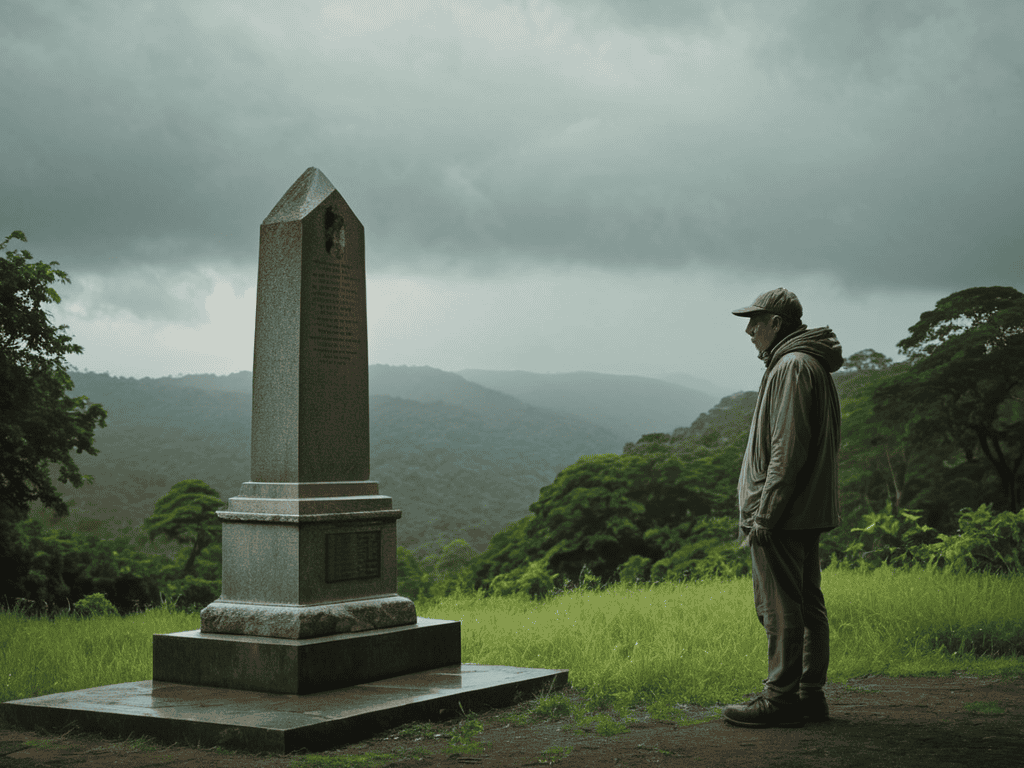
As we conclude this journey through the realm of dark tourism, it’s essential to reflect on the importance of cultural sensitivity and reverence when visiting these sites. We’ve explored the necessity of understanding the historical context, being mindful of local customs, and preserving the integrity of these locations for future generations. By embracing these principles, we can ensure that our travels not only enrich our own lives but also contribute to the preservation of our collective past. Remember, respect is a two-way street, and as we pay our respects to the memories and stories embedded in these sites, we also open ourselves to a deeper understanding of the world and its complexities.
As you stand at the threshold of your next journey, whether it’s to a former prison, a memorial, or a site of historical tragedy, remember that the power of respectful travel lies not just in the places you visit, but in the connections you make along the way. By choosing to engage with the shadows of our past in a thoughtful and considerate manner, you become part of a larger narrative – one that weaves together the threads of history, culture, and humanity. And it’s through this shared experience that we can forge a brighter, more compassionate future, illuminated by the lessons of yesterday.
Frequently Asked Questions
How can I ensure that my visit to a dark tourism site does not disrupt the local community or offend its residents?
To minimize your impact, research the site beforehand, respecting local customs and traditions. Be mindful of your behavior and dress modestly, avoiding anything that could be perceived as disrespectful. Engage with local guides or community members to gain a deeper understanding of the site’s history and significance, ensuring your visit is a thoughtful and considerate one.
What are some common mistakes that dark tourists make when visiting historical sites of tragedy or conflict, and how can I avoid them?
As I reflect on my own visits to such sites, I’ve noticed that many dark tourists unintentionally disrespect the location by taking insensitive photos or touching sacred artifacts. To avoid this, I recommend researching the site’s history and etiquette beforehand, and being mindful of your behavior, just as Asimov once said, “The most exciting phrase to hear in science, the one that heralds new discoveries, is not ‘Eureka!’ but ‘That’s funny…'” – a reminder to approach with curiosity and respect.
Are there any specific guidelines or etiquette rules that I should follow when taking photographs or collecting memorabilia at dark tourism sites?
When capturing memories at dark tourism sites, remember that discretion is paramount. Refrain from taking photos that could be perceived as insensitive or disrespectful, and never remove artifacts or memorabilia – these are sacred remnants of history. As the great science fiction writer, Arthur C. Clarke, once said, “The only way to discover the limits of the possible is to go beyond them into the impossible,” but let’s do so with reverence.