I once tried to convert my apartment into an eco-friendly oasis. Picture this: I’m knee-deep in biodegradable pots, and my entire kitchen counter is covered in the latest organic, non-toxic cleaning products. Spoiler alert: I ended up with a wilting basil plant and a sink that still smelled suspiciously like the fish market down the street. It was a valiant attempt at sustainability, I suppose. But it taught me a valuable lesson—real environmental action is less about the Instagram-worthy snapshots and more about the uncomfortable, often inconvenient choices that demand a little more than just good intentions.
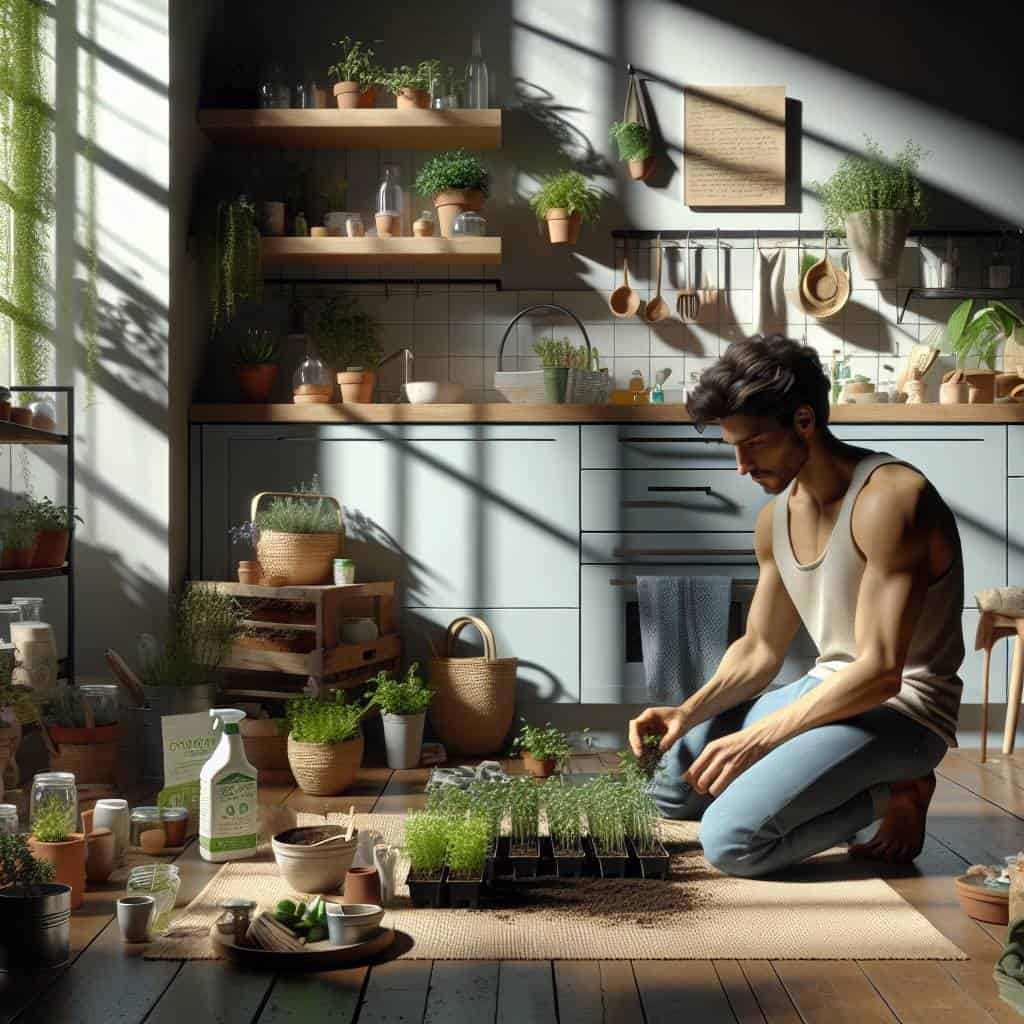
Now, I’m not here to rain on your zero-waste parade. We all want to do our part, and there’s plenty of noise out there telling us how. But what if we cut through the fluff and got to the heart of what really works? In this article, we’ll dive into the gritty realities of sustainability, explore what actually drives eco-conscious change, and maybe even challenge the status quo. Buckle up, because the truth might not be wrapped in recycled paper and tied with a hemp bow.
Table of Contents
When a Plastic Straw Became My Arch-Nemesis: A Tale of Eco-Conversion
It all started with a plastic straw. Yes, one of those seemingly innocent, colorful tubes that slither their way into your drink without a second thought. But there I was, sitting in my favorite café, minding my own business when I was confronted by the stark reality of its existence. That straw, a flimsy piece of plastic, would outlive me by centuries. The thought hit me like a slap to the face. Suddenly, it wasn’t just a straw; it was a symbol of our collective carelessness. And just like that, it became my arch-nemesis.
This encounter sparked a fire in me, a relentless drive to dive headfirst into the murky waters of sustainability. I started asking questions. Why did we become so dependent on single-use plastics? And more importantly, how could I, a city dweller surrounded by concrete and chaos, make a real difference? It was time to cut through the greenwashing and face the inconvenient truths. I realized that true eco-conversion wasn’t about swapping out a plastic straw for a metal one and patting myself on the back. It required a fundamental shift in mindset—rethinking consumption, questioning convenience, and demanding accountability from the powers that be.
So, I embarked on this eco-crusade, armed not with a cape, but with curiosity and a healthy dose of skepticism. I learned that change isn’t a neat, Instagram-worthy journey but a messy, sometimes uncomfortable process. But here’s the kicker: it’s not about going zero-waste overnight or fitting your trash into a mason jar. It’s about challenging the status quo, inspiring those around us, and realizing the power of collective action. Because if a single plastic straw could become my arch-nemesis, imagine what a community of awakened citizens could achieve. It’s time to trade complacency for action, one straw at a time.
When Green Becomes a Revolution
Inspiration is not found in the comfort of routine but in the roar of revolution. Real change demands more than eco-friendly hashtags; it requires a relentless, unapologetic push against the status quo.
The Green Awakening: Beyond the Buzzwords
So here I am, in this never-ending waltz with sustainability. What started as a reluctant tango with eco-friendly swaps has turned into a full-blown love affair with what truly matters. No, it’s not about the latest reusable gadget or some flashy new green trend. It’s about the gritty, unglamorous truth of making choices that actually move the needle—even if it means giving up conveniences I once held dear. Because let’s be real, the planet doesn’t care about our feeble attempts at being trendy; it needs us to be radically uncomfortable, to demand systemic change.
But don’t get me wrong—I’m no eco-saint. I still occasionally fall prey to the seductive siren call of convenience. And that’s okay. The journey to genuine environmental action is a messy one, filled with more questions than answers, more potholes than smooth sails. What’s crucial is that we keep asking those uncomfortable questions, keep pushing for those real, tangible changes. It’s not about living a perfectly sustainable life; it’s about doing the best we can, where we are, with what we have. And maybe, just maybe, inspiring someone else to do the same in the process.