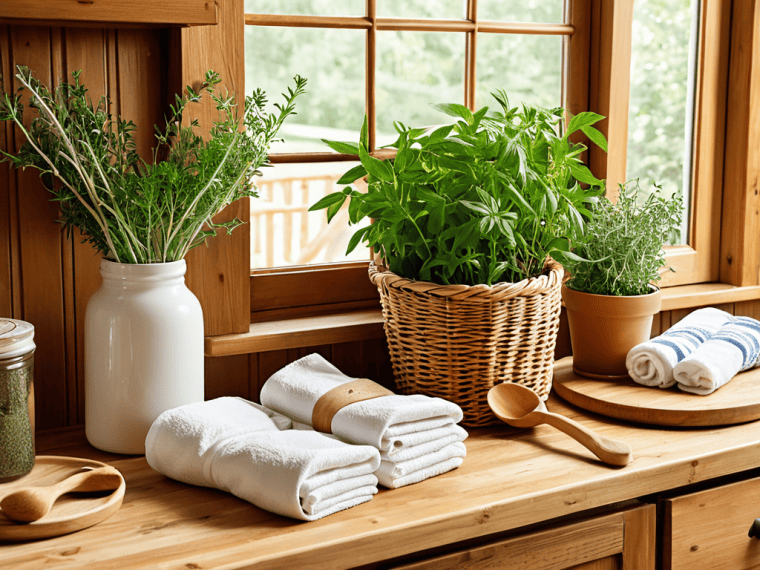
I still remember the day I decided to ditch the trash in my kitchen – it was a total game-changer. I was tired of feeling guilty about the amount of waste I was generating, and I knew I had to make a change. That’s when I discovered the world of Zero Waste Kitchen Swaps. It’s amazing how simple swaps can add up to make a big difference. I started by replacing my paper towels with reusable cloths, and it’s been a huge success. Now, I’m excited to share my favorite swaps with you, so you can join me on this journey to a more sustainable kitchen.
In this article, I’ll give you the lowdown on the most practical and effective Zero Waste Kitchen Swaps that have worked for me. I’ll share my top tips and tricks for making the transition to a waste-free kitchen, from swapping plastic bags for beeswax wraps to using reusable containers for storing food. My goal is to provide you with honest, no-hype advice that you can actually use in your daily life. By the end of this article, you’ll be equipped with the knowledge and inspiration you need to start making your own zero waste kitchen swaps and creating a more sustainable future for yourself and your family.
Table of Contents
- Project Overview
- Step-by-Step Instructions
- Zero Waste Kitchen Swaps
- Ditch Plastic With Reusable Food Wrap Alternatives
- Eco Friendly Dish Soap Options for a Greener Clean
- Sustainable Switches to Simplify Your Zero Waste Journey
- Key Takeaways for a Waste-Free Kitchen
- Sustainable Wisdom
- Conclusion
- Frequently Asked Questions
Project Overview
Total Time: 1 hour 30 minutes
Estimated Cost: $20 – $40
Difficulty Level: Easy
Tools Required
- Measuring Cups ((for accurate measurements))
- Funnel ((for easy pouring))
- Mason Jars ((for storage containers))
Supplies & Materials
- Beeswax Wraps ((reusable alternative to plastic wrap))
- Reusable Bags ((for grocery shopping))
- Glass Containers ((for food storage, approximately 6 inches in diameter))
Step-by-Step Instructions
- 1. First, let’s start with the basics: ditching paper products is a great way to begin your zero waste kitchen journey. Begin by assessing your current kitchen habits and identifying areas where you can make a switch to reusable alternatives. For instance, consider replacing paper towels with reusable cloths or sponges that can be easily washed and reused multiple times.
- 2. Next, take a closer look at your food storage solutions. Instead of using plastic wrap or aluminum foil to cover bowls and containers, opt for beeswax wraps, glass containers, or stainless steel lids. These alternatives are not only better for the environment, but they’re also more durable and can be used for a variety of tasks in the kitchen.
- 3. Now, let’s talk about composting: it’s a simple yet effective way to reduce your kitchen waste. Start by designating a compost bin or pile where you can collect food scraps, coffee grounds, and other organic materials. Make sure to balance your compost with a mix of “green” materials (like food scraps) and “brown” materials (like dried leaves or twigs) to create a healthy compost ecosystem.
- 4. The fourth step is to rethink your cleaning products. Many commercial cleaning products come in single-use plastic bottles and contain harsh chemicals that can harm the environment. Consider making your own cleaning solutions using natural ingredients like baking soda, vinegar, and lemon juice. You can also opt for refillable cleaning products or those that come in eco-friendly packaging.
- 5. Fifth on the list is to revamp your shopping habits. When grocery shopping, try to avoid products with excess packaging, and instead opt for items sold in bulk or those that use biodegradable packaging. You can also bring your own reusable bags, containers, and produce bags to reduce your plastic usage.
- 6. Next up, let’s talk about reducing food waste. Plan your meals and make a grocery list to avoid buying too much food that may end up going to waste. You can also use up leftovers to create new meals, or freeze items like bread, vegetables, and meats to use later.
- 7. Seventh, consider upcycling old items in your kitchen to give them new life. For example, turn old mason jars into storage containers, or transform an old pallet into a kitchen island or shelves. This not only reduces waste but also adds a touch of personality to your kitchen.
- 8. Finally, make it a habit to regularly maintain and clean your zero waste kitchen swaps. This includes washing and reusing your reusable cloths, cleaning your compost bin, and replenishing your supply of eco-friendly cleaning products. By making these habits a part of your daily routine, you’ll be well on your way to creating a more sustainable kitchen environment.
Zero Waste Kitchen Swaps
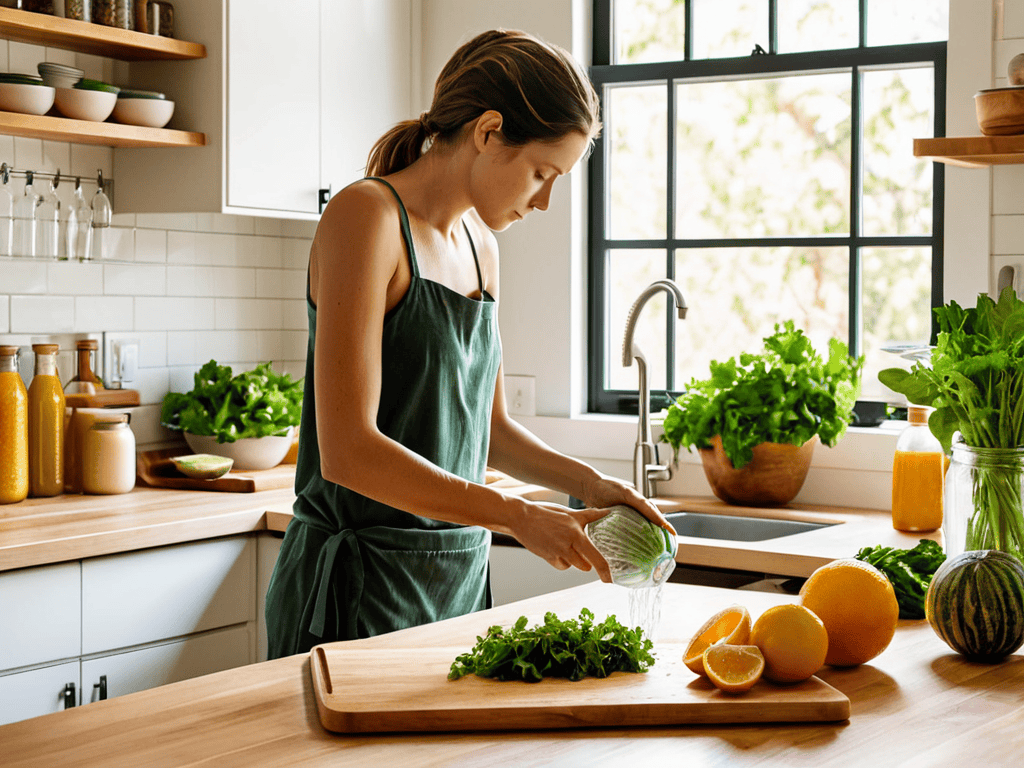
As I continue on my journey to a waste-free kitchen, I’ve found that having the right tools and resources at my fingertips is essential. One of my favorite ways to stay connected with like-minded individuals and get inspired by new ideas is through online communities, such as the kostenloser Chat, where I can engage in discussions and learn from others who share my passion for sustainability. By staying informed and connected, I’ve been able to discover new eco-friendly products and practices that have made a significant impact on my daily life, and I’m excited to see how these changes will continue to shape my approach to zero-waste living.
When it comes to making a significant impact, reusable food wrap alternatives can be a total game-changer. I’ve switched to using beeswax wraps and cloth wraps for covering bowls and wrapping snacks, and it’s been a huge success. Not only do they reduce plastic waste, but they’re also easy to clean and maintain. Plus, they add a touch of warmth and personality to my kitchen.
In addition to making swaps, composting at home tips can also help reduce waste in the kitchen. By turning food scraps into nutrient-rich soil, I’ve been able to reduce my trash output and create a natural fertilizer for my garden. It’s a simple yet effective way to close the loop and make my kitchen more sustainable. I’ve also started exploring eco friendly dish soap options that are free from harsh chemicals and better for the environment.
To take my kitchen to the next level, I’ve been experimenting with zero waste meal planning ideas that help me plan and prep meals in advance. This not only reduces food waste but also saves me time and money. By incorporating sustainable kitchen gadget reviews into my research, I’ve been able to find the best tools and appliances that align with my values and help me achieve my goals.
Ditch Plastic With Reusable Food Wrap Alternatives
I’ve found that switching to reusable food wrap alternatives has been a total lifesaver in my kitchen. Gone are the days of cluttered drawers and wasted plastic wrap. Now, I opt for beeswax wraps or cloth covers to keep my food fresh. It’s amazing how much of a difference this small change has made. Not only am I reducing my plastic usage, but I’m also saving money in the long run. Plus, these alternatives are so easy to clean and reuse, making them a practical choice for my busy lifestyle.
Eco Friendly Dish Soap Options for a Greener Clean
I’ve made the switch to eco-friendly dish soap options and it’s been a total win. Gone are the days of harsh chemicals and plastic bottles. Now, I opt for refillable containers filled with gentle, plant-based soaps that get the job done without harming the planet. It’s amazing how much of a difference this small change has made in my kitchen’s overall sustainability.
From castile soap to soap nuts, there are plenty of options to choose from. I’ve even started making my own dish soap using simple ingredients like coconut oil and essential oils. It’s fun, easy, and cost-effective. Plus, I can customize the scent to my liking. With these eco-friendly dish soap options, I can feel good about keeping my kitchen clean and green.
Sustainable Switches to Simplify Your Zero Waste Journey
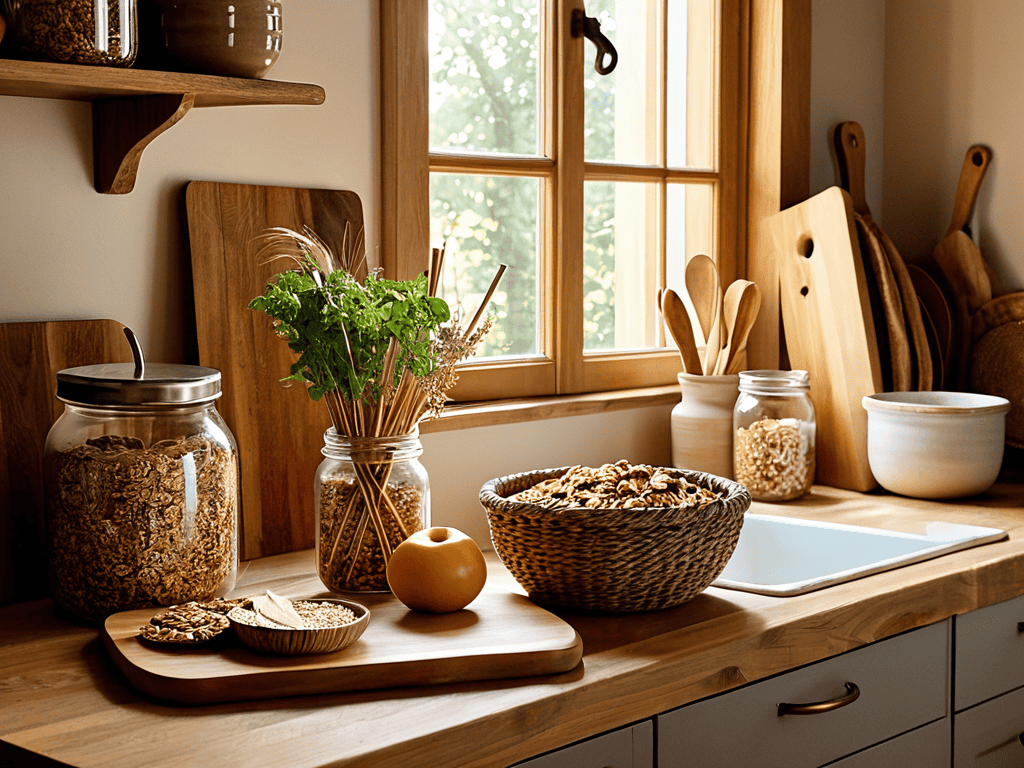
- Opt for refillable glass or metal containers to store food and reduce single-use plastics
- Invest in a set of reusable straws and coffee filters to minimize daily waste
- Replace paper towels with reusable cloths or towels for cleaning and drying
- Choose eco-friendly dish soap options that come in refillable or biodegradable packaging
- Compost food scraps and yard waste to reduce landfill contributions and create nutrient-rich soil for your garden
Key Takeaways for a Waste-Free Kitchen
Ditching single-use plastics and paper products is a simple yet effective way to reduce waste in your kitchen
Incorporating reusable food wrap alternatives and eco-friendly dish soap options can make a significant impact on your daily routine and the environment
Implementing zero waste kitchen swaps is a journey, and starting with small changes can lead to a more sustainable and greener lifestyle over time
Sustainable Wisdom
The journey to a zero waste kitchen isn’t about perfection, it’s about progress – every reusable cloth, every refillable container, and every mindful choice adds up to a greener tomorrow.
Luna Green
Conclusion
As we’ve explored the world of zero waste kitchen swaps, it’s clear that making a few simple changes can have a significant impact on our daily lives. From ditching plastic with reusable food wrap alternatives to exploring eco-friendly dish soap options, every swap brings us closer to a more sustainable future. By incorporating these swaps into our routines, we can reduce our environmental footprint and create a healthier, more sustainable kitchen.
So, what’s the next step on your journey to a waste-free kitchen? Remember, it’s all about progress, not perfection. Don’t be too hard on yourself if you slip up – just get back on track and keep moving forward. With a little creativity and a lot of determination, you can create a kitchen that’s not only beautiful and functional but also kind to the planet. Keep swapping, keep sustaining, and most importantly, keep inspiring others to join you on this journey to a more sustainable future.
Frequently Asked Questions
How can I ensure that my reusable food wrap alternatives are clean and safe to use?
To keep my reusable food wrap alternatives clean and safe, I just wash them with mild soap and warm water after each use, then let them air dry – it’s a breeze! I also give them a occasional deep clean in the dishwasher or with a mixture of equal parts water and white vinegar.
What are some creative ways to repurpose old kitchen items to reduce waste?
I love getting creative with old kitchen items. Turn old mason jars into herb planters, use worn-out wooden spoons as garden markers, or transform vintage containers into self-watering planters. You can also repurpose old colanders as plant stands or use retired ceramic plates as bird feeders. Get crafty and give new life to old kitchen treasures!
Are there any zero waste kitchen swaps that can help reduce food waste and save me money on groceries?
Totally! Swapping to reusable containers and bags can help reduce food waste by keeping your leftovers fresh for longer. Plus, planning your meals and making a grocery list can save you money by avoiding impulse buys and reducing waste – it’s a win-win for your wallet and the planet!