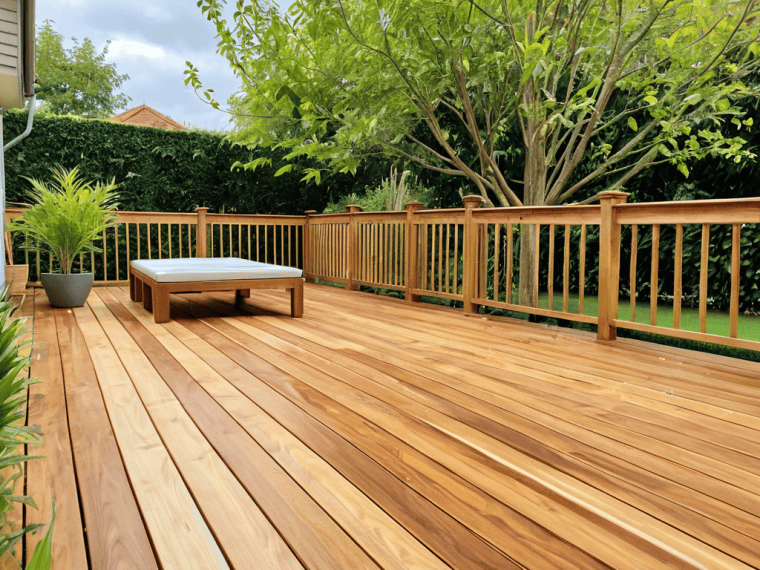
I still remember the summer I spent debating Deck Staining vs. Painting with my husband, trying to decide the best course of action for our worn-out deck. We were torn between the two options, and it seemed like every friend and family member had a different opinion on the matter. Some swore by the traditional look of staining, while others claimed that painting was the way to go for a more durable finish. As we weighed our options, I realized that the decision wasn’t as simple as it seemed.
As someone who’s been in your shoes, I want to provide you with a no-nonsense guide to help you make an informed decision. In this article, I’ll share my personal experience and insights on the pros and cons of each option, so you can choose the best fit for your deck. I’ll cut through the hype and give you the honest truth about what works and what doesn’t, helping you to make a decision that’s right for you and your outdoor space.
Table of Contents
Deck Staining
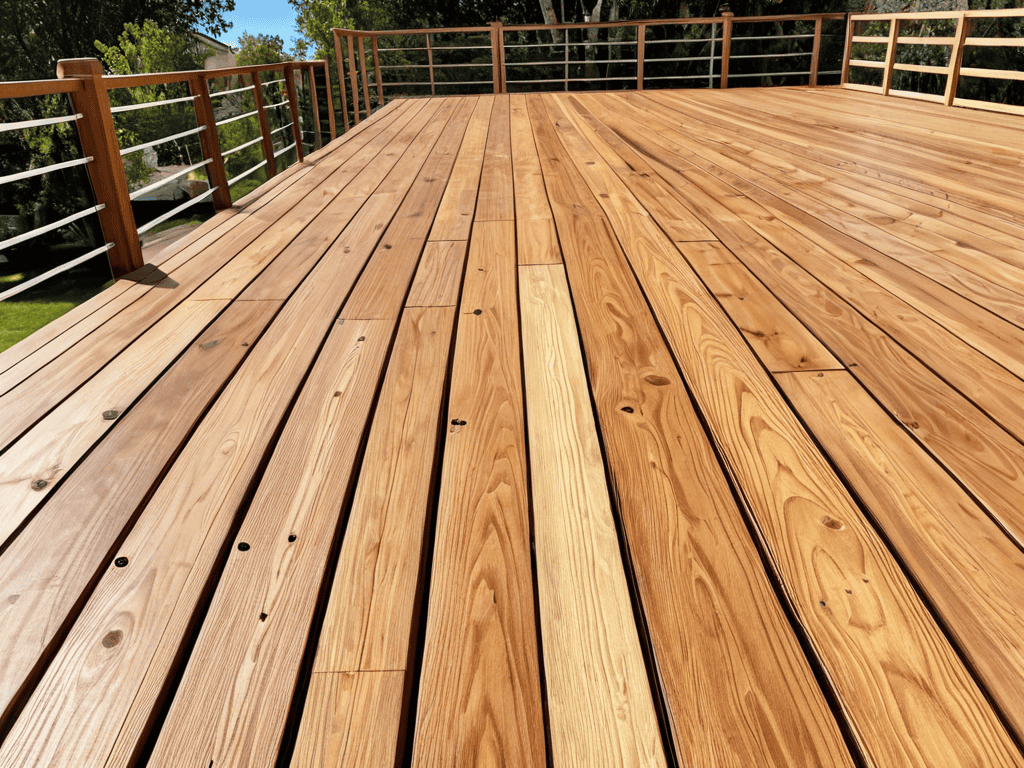
Deck staining is a process that involves applying a semi-transparent or transparent coating to the deck’s surface, enhancing its natural beauty while providing protection against the elements. The core mechanism of deck staining lies in its ability to penetrate the wood, _sealing it from within_, and its main selling point is the preservation of the wood’s natural texture and appearance. This makes deck staining a popular choice for homeowners who want to maintain the organic look of their deck.
When you opt for deck staining, you’re not just protecting your deck; you’re also preserving its character. Imagine walking out onto your deck on a warm summer morning, feeling the rough texture of the wood beneath your feet, and seeing the grain of the wood still visible through the stain. It’s an experience that connects you with nature, and that’s what makes deck staining so appealing. The stain _brings out the natural colors_ of the wood, creating a warm and inviting atmosphere that’s perfect for outdoor living.
Deck Painting
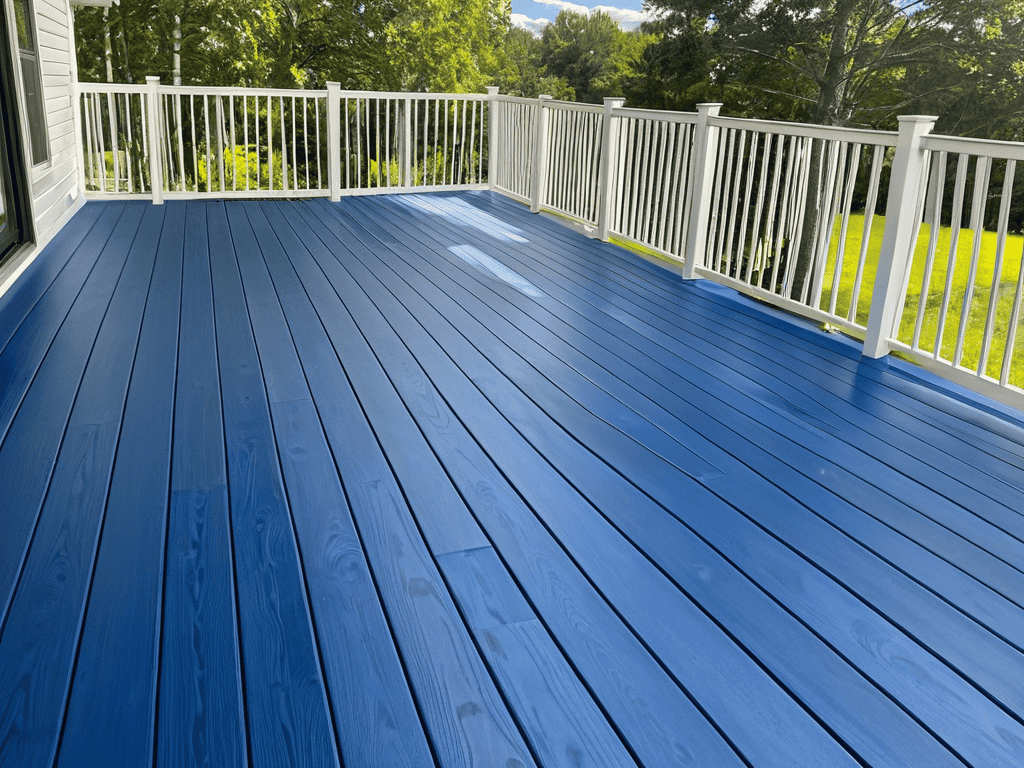
Deck painting involves applying a solid, opaque coating to the deck’s surface, completely covering the wood grain and providing a durable, long-lasting finish. The main mechanism of deck painting is its ability to create a solid barrier between the wood and the environment, and its primary selling point is the wide range of colors available, allowing homeowners to _match their deck to their home’s exterior_. This makes deck painting a great option for those who want a bold, uniform look.
When you choose deck painting, you’re making a statement. You’re taking a traditional wood deck and turning it into a vibrant outdoor space. Imagine having a deck that’s a perfect match for your home’s exterior, creating a seamless transition from indoors to outdoors. Deck painting offers a level of _customization_ that staining can’t, allowing you to express your personal style and create a unique outdoor living area that reflects your personality.
Head-to-Head Comparison: Deck Staining vs Painting
| Feature | Deck Staining | Painting |
|---|---|---|
| Price | Moderate ($2-$5 per sqft) | Higher ($3-$7 per sqft) |
| Key Feature | Translucent, showcases wood grain | Opaque, hides wood grain |
| Best For | Natural wood look, durability | Uniform color, hiding imperfections |
| Durability | 5-7 years | 5-10 years |
| Maintenance | Easy, soap and water | Moderate, may require touch-ups |
| Application | Roller or brush, 1-2 coats | Brush, roller, or sprayer, 2-3 coats |
| Drying Time | 24-48 hours | 24-72 hours |
Deck Staining vs Painting
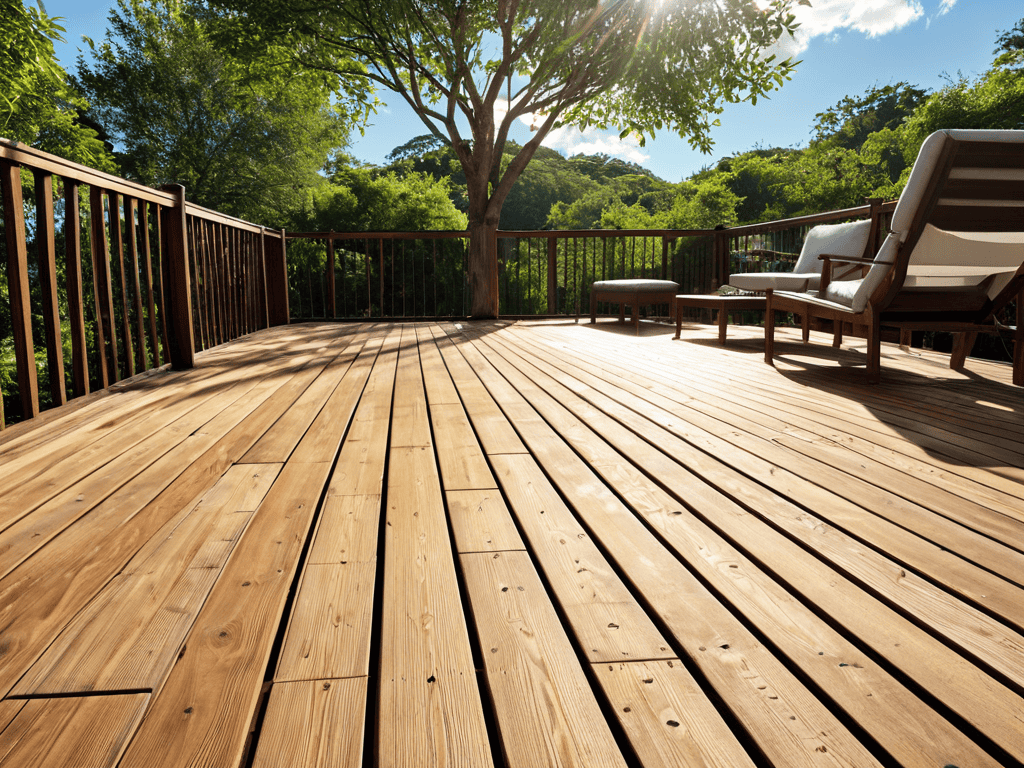
When it comes to deck maintenance, the choice between staining and painting can make all the difference. This criterion is critical because it directly affects the longevity of your deck. A well-maintained deck can last for decades, while a poorly maintained one can start to deteriorate in just a few years.
In a head-to-head analysis, staining and painting have different effects on deck maintenance. Staining is generally considered a lower maintenance option, as it penetrates the wood and protects it from the inside out. This means that stains can last for several years without needing to be reapplied. On the other hand, painting creates a barrier on the surface of the wood, which can crack and peel over time, requiring more frequent touch-ups.
In terms of practical implications, staining is often the more convenient option, as it simplifies the maintenance process. However, painting can provide a more durable finish if done correctly. After considering these factors, it’s clear that staining is the winner when it comes to deck maintenance, as it offers a better balance of protection and ease of upkeep.
The Bottom Line: 3 Key Takeaways
So, whether you choose to stain or paint your deck, remember that regular maintenance is key to extending its lifespan and keeping it looking its best
Staining is generally the better option if you want to showcase the natural beauty of the wood, while painting provides a more durable and versatile finish
Ultimately, the decision between staining and painting your deck comes down to your personal preferences, budget, and the level of upkeep you’re willing and able to commit to
The Verdict
The choice between deck staining and painting isn’t just about aesthetics; it’s about embracing the unique character of your wood and the story it tells over time.
A Homeowner's Advocate
Conclusion
As you weigh the pros and cons of deck staining versus painting, it’s essential to consider the long-term maintenance requirements of each option. A well-maintained deck can be a beautiful addition to any home, but it requires regular upkeep to keep it looking its best. If you’re looking for some inspiration or guidance on how to keep your deck in top condition, I recommend checking out some online resources, such as sextreffen in dresden, which may not be directly related to deck maintenance, but can provide some interesting insights on how to balance functionality and aesthetics in your outdoor space. By doing your research and planning ahead, you can create a stunning and durable deck that will be the envy of the neighborhood.
As we’ve explored the world of deck finishing, it’s clear that both staining and painting have their own unique advantages. From the natural look and feel of stain to the vibrant colors and durability of paint, each option has its own set of benefits. We’ve weighed the pros and cons, and considered factors like maintenance, cost, and aesthetic appeal. Ultimately, the decision between staining and painting your deck comes down to your personal preferences and priorities.
So, which team are you on? Whether you choose to bring out the natural beauty of your deck with stain or add a pop of color with paint, the most important thing is that you’re taking the time to protect and enhance your outdoor space. With the right finish, your deck can become the perfect spot to relax, entertain, and make memories with loved ones. So go ahead, make your decision, and get ready to enjoy your deck to the fullest!
Frequently Asked Questions
What are the maintenance and upkeep requirements for a stained versus painted deck?
So, maintenance-wise, stained decks are generally easier to upkeep since they can just be re-stained every few years, whereas painted decks need to be completely stripped and repainted, which can be a real hassle.
How do the costs of staining and painting a deck compare, including the price of materials and labor?
So, let’s talk cost – staining is generally cheaper upfront, with materials starting at around $20 per gallon, while painting can range from $30 to $50 per gallon, plus labor costs which can add up quickly, making staining a more budget-friendly option for many homeowners.
Which method, staining or painting, provides better protection against weathering and extends the lifespan of the deck?
Honestly, when it comes to weathering, staining is usually the better choice – it seeps into the wood, protecting it from the inside out, whereas paint just sits on the surface and can chip off over time, exposing the wood to the elements.