I once bought a smart gardening gadget that promised to transform my patchy excuse for a garden into the Hanging Gardens of Babylon. It was supposed to be the botanical whisperer I never could be—an all-seeing, all-knowing device that monitored soil moisture and sunlight levels, adjusting accordingly. But in reality, it just blinked at me with the indifference of a teenager forced to attend a family reunion. My plants didn’t suddenly burst into verdant life; they just sat there, as unimpressed as I was. It’s a testament to the tech industry’s audacity, convincing us our green thumbs can be outsourced to a silicon chip.
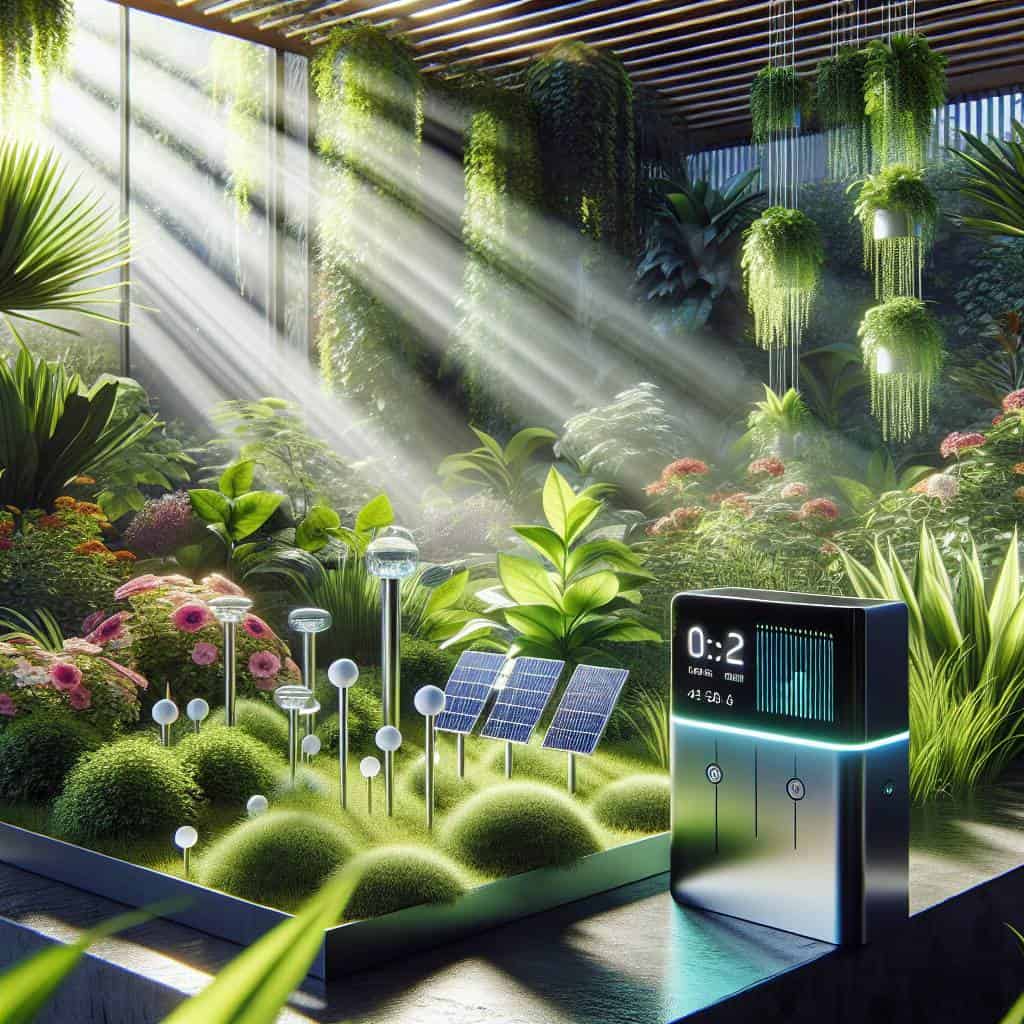
But enough about my tech-induced horticultural facepalm. You’re here because, like me, you’re juggling the dream of a lush home garden with the chaotic dance of modern life. In this article, we’ll dig into the truth behind these so-called smart gadgets, looking past the flashy promises to see if they hold any real value in the world of plant care and home automation. Will they turn your living room into a jungle paradise, or just another chapter in the saga of overhyped tech? Let’s find out.
Table of Contents
When My Houseplants Turned Into Roommates: Embracing Automation
Imagine waking up one day and realizing your houseplants have evolved from mere ornamental green blobs into full-fledged roommates, complete with personalities and demands. This isn’t a scene from some sci-fi flick—it’s what happens when you fully embrace the world of smart gardening gadgets. These days, my plants are more connected than I am, and the irony isn’t lost on me. In a world where my basil and succulents have better tech than my laptop, I’ve found myself in this peculiar relationship where automation and nature intersect. It’s both disconcerting and oddly liberating.
There’s a certain poetry to it, really. The idea that technology, often blamed for disconnecting us from nature, is now the very tool bridging that gap. My once-dying spider plant now thrives thanks to a smart sensor that nags me about its water needs more than my mother ever could. And let’s talk about the automated grow lights that turn on with military precision, ensuring my ferns get their daily dose of faux sunshine. It’s like living with a green-obsessed personal trainer, and I can’t quite decide if I’m amused or terrified. But here’s the kicker: these gadgets don’t just care for plants; they force us to rethink our relationship with the living things we choose to share our space with. Suddenly, these leafy companions demand attention, not just in terms of care, but in the way they challenge our very definition of home.
So why do it? Maybe it’s the thrill of blurring the lines between tech and nature, or maybe it’s the relief of not having to remember if I watered the peace lily last Tuesday. But in the end, it’s about acknowledging that technology can actually make us better caretakers, more attuned to the needs of another living being. It’s a humbling experience, being schooled by a bunch of chlorophyll addicts. But in this brave new world of automated care, I wouldn’t have it any other way.
The Irony of Green Tech
In a world obsessed with automation, maybe our plants are here to remind us that sometimes growth requires a human touch.
Tech and Tendrils: Finding Balance
So where does this leave me, the reluctant urban gardener with a penchant for both chaos and control? Somewhere between the tangled mess of wires and the serene green of my living room jungle, I’ve found a middle ground. It’s not about letting technology take over or dismissing it entirely; it’s about weaving it into the narrative of my life without it dictating the plot. My plants, for all their chlorophyll-fueled zen, remind me that growth doesn’t have a shortcut button. It’s messy, unpredictable, and often inconvenient—much like life itself.
In the end, the gadgets are just a part of the story, not the headline. They’ve taught me that while innovation can water the roots, it’s the human element—my curiosity, my hands in the soil, my occasional forgetfulness—that truly nurtures growth. Perhaps that’s the real connection between my plants and me: we’re both thriving amidst the imperfections, finding our rhythm in a world that doesn’t stop spinning long enough for us to catch our breath. And maybe, just maybe, that’s the truest form of automation I’ve discovered—learning to let go and letting life, in all its unpredictable glory, unfold.