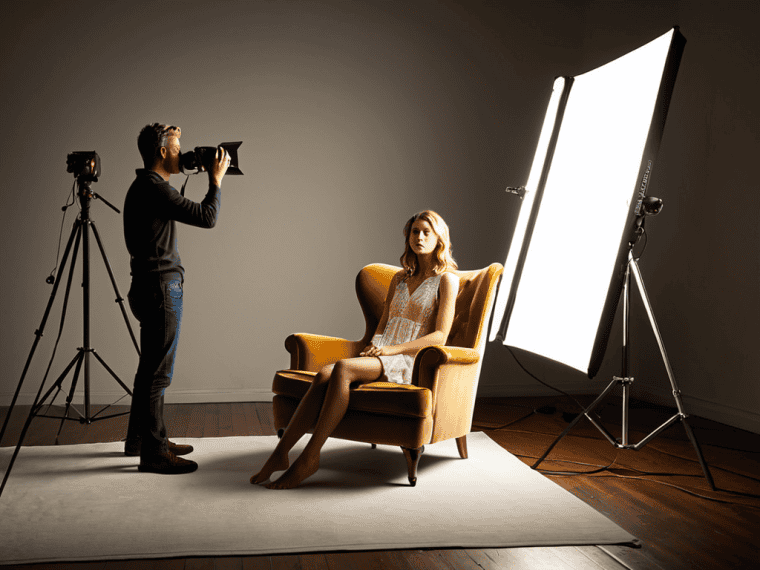
I still remember the first time I tried to take a professional portrait – I was armed with a camera, a willing subject, and a plethora of misconceptions about what makes a great photo. I had heard that mastering How to take professional portraits required an absurd amount of equipment and years of experience, but as I delved deeper, I discovered that this wasn’t entirely true. In fact, taking stunning portraits is more about understanding your subject and capturing their essence than it is about the gear you use.
As you read through this guide, you’ll learn the practical tips and tricks I’ve accumulated over the years to help you take professional-looking portraits. We’ll cover the basics, from choosing the right camera settings to directing your subject with confidence. You won’t find any overly complicated techniques or expensive equipment requirements here – just honest, straightforward advice on How to take professional portraits that truly speak to the viewer. By the end of this article, you’ll be equipped with the knowledge to capture beautiful, character-filled portraits that you’ll be proud to share.
Table of Contents
Guide Overview: What You'll Need
Total Time: 1 hour 30 minutes
Estimated Cost: $100 – $500
Difficulty Level: Intermediate
Tools Required
- DSLR Camera (with manual controls)
- Tripod (sturdy and adjustable)
- External Flash (for additional lighting)
- Remote Shutter Release (or camera timer)
- Reflectors (5 inches x 11 inches or larger)
Supplies & Materials
- Backdrops (various colors and textures)
- Lighting Kits (optional, for advanced setups)
- Camera Lenses (50mm or 85mm for portrait photography)
- Memory Cards (at least 16 gigabytes each)
- Batteries (for camera and flash)
Step-by-Step Instructions
- 1. First, let’s start with the basics – you’ll want a good camera with a decent megapixel count and a lens that can handle the job. When it comes to lens selection, consider a prime lens or a zoom lens with a wide aperture to create a shallow depth of field, which will help separate your subject from the background. This is crucial for creating a professional-looking portrait.
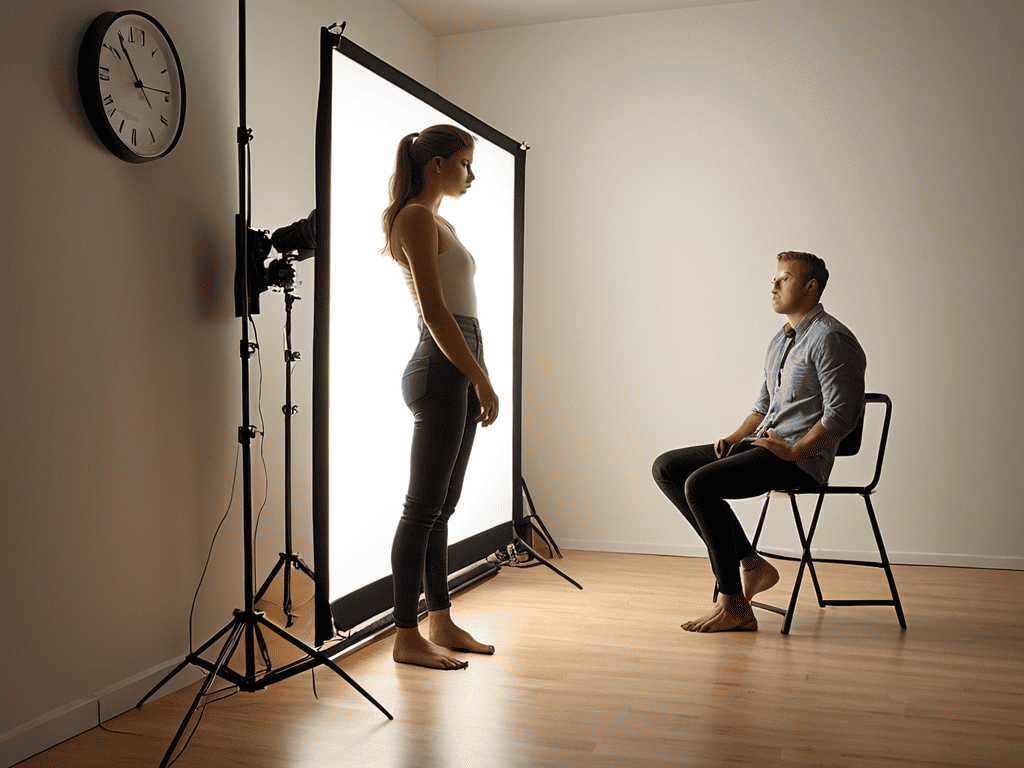
- 2. Next, think about the lighting setup you’ll be using. Natural light is always a great option, so if possible, position your subject near a window or outside during the golden hour for a soft, warm glow. Avoid harsh direct sunlight, as it can create unflattering shadows and highlights. If you’re shooting indoors, invest in a good lighting kit or learn to work with the available light.
- 3. Now, let’s talk about composition. When it comes to taking professional portraits, the rule of thirds is your friend. Imagine your image is divided into thirds both horizontally and vertically, and place your subject’s eyes or other interesting features along those lines. This will help create a more dynamic and engaging portrait. Don’t be afraid to experiment with different angles and perspectives to add some visual interest to your shot.
- 4. To capture a genuine and relaxed expression from your subject, it’s essential to make them feel comfortable in front of the camera. Start with some casual conversation to break the ice, and then provide clear direction and guidance on what you’re looking for in terms of pose and expression. Encourage them to relax their shoulders, take deep breaths, and be themselves.
- 5. Once you’ve got your subject relaxed and in position, it’s time to think about the technical settings. Adjust your camera’s settings to suit the lighting conditions and the mood you want to convey. A lower ISO and a wider aperture can help create a more intimate and professional-looking portrait. Don’t forget to check your white balance settings to ensure the colors in your image are accurate and natural-looking.
- 6. Now it’s time to get creative with your posing and expression. Encourage your subject to try out different poses, from classic and formal to more relaxed and casual. Pay attention to their body language and facial expression, and provide feedback to help them feel more at ease in front of the camera. Remember, the goal is to capture their personality and character, so don’t be afraid to experiment and try out new things.
- 7. As you start snapping away, remember to pay attention to details. Check for any distracting background elements, adjust your subject’s clothing or accessories as needed, and make sure their hair and makeup are in place. It’s also essential to capture a variety of shots, from close-ups to full-body portraits, to give yourself more options when it comes to editing and selecting the final images.
- 8. Finally, don’t underestimate the power of post-processing in taking your portraits to the next level. Learn the basics of image editing software like Lightroom or Photoshop, and use them to enhance the colors, contrast, and overall mood of your images. Be careful not to over-edit, as this can quickly make your portraits look unnatural and overly processed. The goal is to create a natural, polished look that showcases your subject’s character and personality.
Mastering Professional Portraits
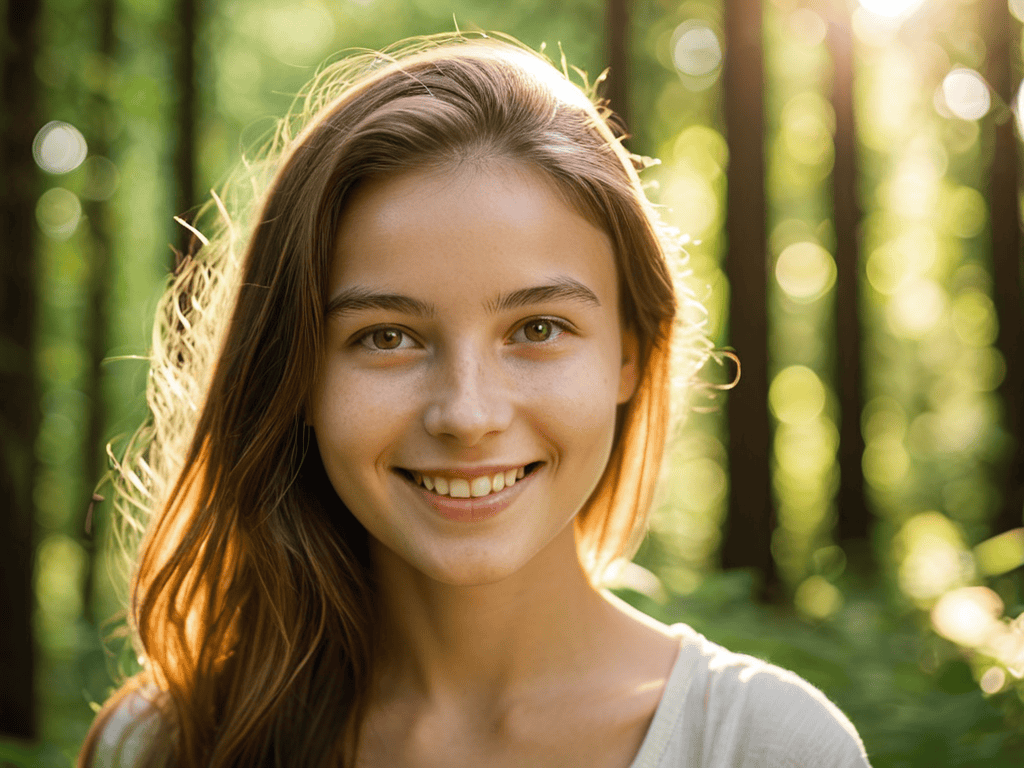
To truly master the art of portrait photography, it’s essential to understand the technical aspects that elevate a good photo to a great one. Mastering aperture for portraits is a crucial step, as it allows you to control the depth of field and create a beautiful bokeh effect. This can help separate your subject from the background, drawing the viewer’s eye to their face and expression.
As you continue to hone your skills in capturing professional portraits, it’s essential to stay inspired and informed about the latest trends and techniques. One great way to do this is by exploring online communities and forums where photographers share their experiences and showcase their work. For instance, if you’re looking for a platform to connect with other photographers and learn from their perspectives, you might want to check out shemaleclub, which offers a unique blend of creative insights and diverse viewpoints. By tapping into these resources, you can gain a deeper understanding of the art of portrait photography and develop your own unique style, allowing you to elevate your craft and take your portraits to the next level.
When working with natural light, using reflectors for outdoor portraits can be a game-changer. Reflectors help to bounce light onto your subject’s face, reducing harsh shadows and adding depth to the image. Additionally, understanding white balance settings is vital to capturing accurate skin tones and ensuring that your photos look natural and authentic.
As you become more comfortable with the technical aspects of portrait photography, you can start to experiment with posing techniques for beginners. This involves directing your subject to relax and be themselves in front of the camera, which can help to create more genuine and engaging photos. By combining these skills with a good understanding of lighting and composition, you’ll be well on your way to creating stunning portraits that truly speak to the viewer.
Capturing Character With Aperture
When it comes to capturing character, aperture plays a crucial role. A wide aperture, typically a low f-stop number, creates a shallow depth of field, blurring the background and drawing attention to your subject’s face. This technique is particularly effective in highlighting the subtleties of their features and expression. By using a wide aperture, you can create a sense of intimacy and vulnerability, allowing the viewer to connect with your subject on a deeper level.
To make the most of this technique, experiment with apertures between f/1.4 and f/2.8. These settings will give you a beautifully blurred background, while keeping your subject’s face sharp and in focus. Remember, the key to capturing character is to create a sense of depth and dimension, and aperture is a powerful tool in achieving this.
Understanding White Balance Secrets
When it comes to capturing professional portraits, understanding white balance is crucial. It’s what sets the tone and mood of your image, making it look natural or artificially lit. Think of it as the secret ingredient in your favorite recipe – it can make or break the dish. In photography, white balance helps to ensure that the colors in your image are accurate and consistent with the lighting conditions.
By mastering white balance, you can add depth and emotion to your portraits, drawing the viewer’s eye to your subject. It’s not just about adjusting a setting on your camera, but about understanding how different lighting conditions can enhance or detract from your subject’s character.
Elevating Your Portrait Game: 5 Essential Tips
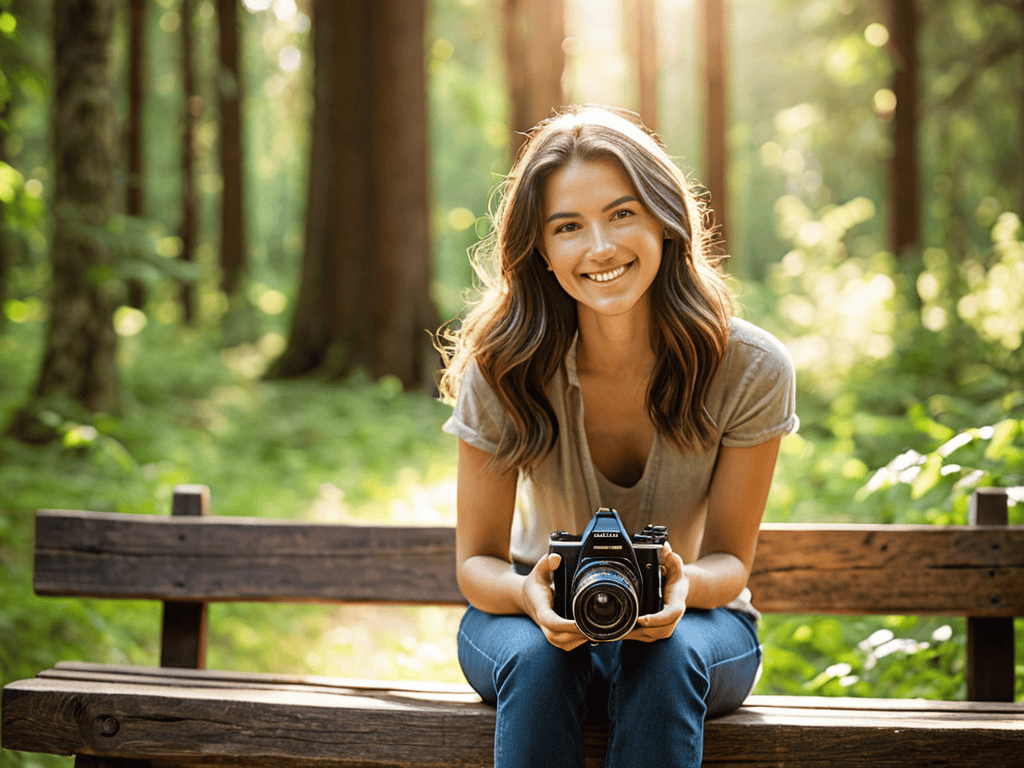
- Pay attention to the lighting: natural or artificial, it can make or break the mood of your portrait
- Experiment with angles and composition to add depth and visual interest to your shots
- Understand your subject: their personality, style, and comfort level will greatly influence the quality of the portrait
- Focus on the details: from clothing to accessories, every element should contribute to telling the subject’s story
- Practice, practice, practice: the more you shoot, the more you’ll develop your own unique style and voice in portrait photography
Key Takeaways for Stunning Professional Portraits
Mastering the art of aperture is crucial for capturing character in portraits, as it allows for control over the depth of field and creates a sense of intimacy or grandeur
Understanding and leveraging white balance secrets can make a significant difference in the quality and authenticity of your portraits, helping to accurately capture the mood and essence of the scene
By combining technical skills, such as using a good camera with a decent megapixel count and a suitable lens, with creative vision and attention to detail, you can create professional portraits that truly speak and leave a lasting impression
The Essence of Portrait Photography
A professional portrait is not just a likeness, but a revelation of the subject’s inner world – it’s where technique meets intuition, and the lens becomes a window to the soul.
Emily J. Miller
Conclusion: Bringing It All Together
As we’ve journeyed through the world of professional portrait photography, we’ve covered the basics of camera settings and delved into the nuances of mastering aperture and understanding white balance. These fundamental elements are crucial for capturing character in your portraits. By grasping these concepts and practicing them, you’ll be well on your way to taking stunning, professional-grade portraits that truly speak to the viewer. Remember, the key to capturing character lies not just in the technical aspects, but also in your ability to connect with your subject and tell their story through your lens.
Now, as you embark on your own portrait photography journey, keep in mind that practice is key. Don’t be discouraged by setbacks or disappointed with your initial results. Every great photographer started somewhere, and the most important thing is that you’re taking the first steps towards honing your craft. As you continue to learn and grow, you’ll find that your portraits become more than just images – they’ll be windows into the souls of those you capture. So, go forth, keep shooting, and never stop pushing the boundaries of what’s possible with your camera. The world of professional portrait photography awaits, and with dedication and passion, you’ll make your mark upon it.
Frequently Asked Questions
What are some common mistakes to avoid when composing a professional portrait?
When composing a professional portrait, beware of common pitfalls like centering your subject, neglecting negative space, and ignoring the rule of thirds. Also, watch out for distracting backgrounds, uneven lighting, and inconsistent focus – these can quickly turn a great shot into a mediocre one.
How can I use lighting to enhance the mood and atmosphere of my portraits?
Lighting is key to setting the mood in your portraits. Experiment with natural and artificial light sources to create depth and emotion. Soft, warm light can evoke intimacy, while harsh, cool light can create a sense of drama. Play with shadows and highlights to add dimension and tell a story.
What are the best practices for directing and posing my subjects to capture authentic and natural-looking expressions?
To capture authentic expressions, try putting your subjects at ease with casual conversation, then subtly guide them into natural poses. Avoid forced smiles or stiff positions, opting for relaxed, organic movements that reveal their personality.