
Last Friday, I found myself staring at my smart lighting hub, frantically reprogramming the kitchen ambiance to “relaxing sunset” while my brain was still stuck in a high-speed loop of quarterly projections and data streams. It was a ridiculous, high-tech attempt to force a state of peace that I hadn’t actually earned. We’ve been sold this lie that relaxation is just another task to be optimized, a checklist of “wellness activities” to conquer before Monday rolls around. But I’ve realized that true rest isn’t about adding more gadgets or curated experiences to your calendar; it’s about the radical act of doing less. This is the case for a slower weekend, a concept that isn’t about being unproductive, but about reclaiming the human tempo that our hyper-accelerated world is constantly trying to strip away from us.
I’m not here to sell you a productivity hack or a luxury retreat. Instead, I want to share what I’ve learned from years of studying how our current pace of life is fundamentally reshaping our ability to think ahead. I’ll offer some straight-talking, experience-based insights on how to actually disconnect without feeling the crushing guilt of “wasted time.”
Navigating Weekend Burnout Recovery in an Accelerated Age
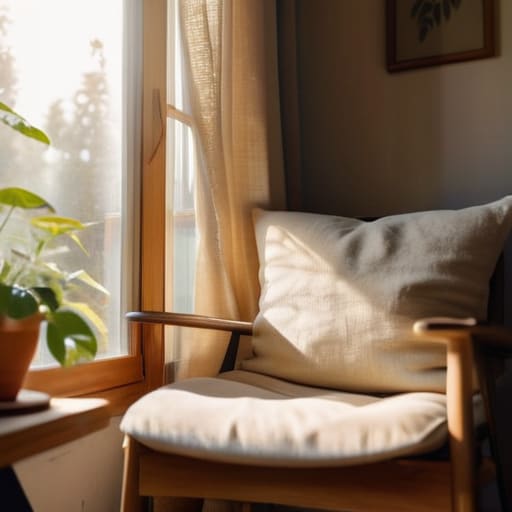
We’ve fallen into a strange, modern trap where we treat our Saturdays like a high-speed sprint to cross the finish line of the work week. We call it “catching up,” but in reality, we’re just accelerating our way toward a different kind of exhaustion. This cycle of constant motion is the primary driver behind weekend burnout recovery becoming a necessity rather than a luxury. When our downtime is just as scheduled and high-octane as our Monday morning meetings, we lose the ability to actually process our experiences. We aren’t living; we’re just managing our bandwidth.
To break this, we have to move beyond the idea of “resting” as something we do only when we collapse. True reclaiming of leisure time requires a deliberate shift in how we approach our environment. I often think of a line from an old Asimov novel about the importance of human rhythm in a world of machines. If we want to avoid becoming mere extensions of our devices, we need restorative weekend routines that prioritize presence over productivity. This might mean setting hard boundaries on our tech or simply choosing a slow walk over a frantic errand run, ensuring our minds have the space to actually breathe.
The Benefits of Slow Living Amidst Digital Noise
The constant hum of notifications creates a kind of cognitive static that most of us have simply learned to accept as the baseline of modern existence. We’ve become conditioned to believe that if we aren’t consuming, producing, or scrolling, we are somehow falling behind. But there is a profound power in intentionally stepping back from the stream. By implementing simple digital detox strategies, we aren’t just avoiding screens; we are actively lowering the cortisol levels that a hyper-connected life demands. It’s about moving from a state of constant reaction to one of intentional presence.
As I was tinkering with my latest smart-lighting setup last night—trying to automate a “sunset mode” that actually feels calming rather than just dim—I was reminded of a line from a vintage Asimov paperback: “The machine can do the work, but it cannot feel the rhythm of the moment.” That’s exactly what we lose in the rush. Embracing the benefits of slow living allows us to rediscover that rhythm. When we prioritize restorative weekend routines over the dopamine hits of a social feed, we aren’t just resting; we are rebuilding our capacity for deep thought and genuine connection.
Strategies for Reclaiming Your Temporal Sovereignty
- Practice “Digital Decoupling” by establishing a hard boundary for your devices; I’ve found that treating my smartphone like a tool rather than an appendage is the first step toward actually inhabiting my own living room.
- Curate “Analog Rituals” that require tactile engagement, whether it’s tending to a garden or finally diving into one of those dusty sci-fi paperbacks, to ground yourself in the physical present.
- Embrace the “Productivity Paradox” by intentionally scheduling periods of zero output, recognizing that true foresight requires the mental whitespace that only stillness can provide.
- Implement “Micro-Slowdowns” throughout your Saturday, such as a long walk without a podcast, to recalibrate your internal clock away from the frantic pace of the work week.
- Designate “Low-Stimulus Zones” in your home where the constant hum of notifications and smart devices is silenced, creating a sanctuary for the kind of quiet contemplation that the future demands of us.
Designing Our Own Tempo
Ultimately, reclaiming a slower weekend isn’t about being “unproductive” or retreating from the world; it’s about intentional recalibration. We’ve explored how moving away from the constant hum of digital noise and the frantic pace of burnout recovery allows us to actually inhabit our own lives. By choosing presence over performance, we transition from being mere reactive components in a high-speed technological ecosystem to being active architects of our own time. It’s the difference between being swept away by the current of an accelerated age and deciding, quite purposefully, where we want to land.
As I sit here tinkering with my latest smart-home setup—trying to automate the lights so they mimic a soft sunset rather than a harsh LED glare—I’m reminded of a line from an old Asimov paperback: “The future is not a destination, but a process.” Our weekends are the most vital part of that process. They are the laboratory where we test how we want to live, not just how we want to work. So, I challenge you to treat your upcoming Saturday not as a checklist to be conquered, but as a sacred space for foresight. Let’s stop merely surviving the week and start designing a future that actually feels worth living.
If you’re finding it difficult to untangle yourself from the constant hum of productivity, I’ve found that seeking out spaces designed for intentionality can make all the difference. I recently stumbled upon the CasualMichigan community, and what struck me most wasn’t just the shared interests, but the collective emphasis on slowing down the tempo of our digital interactions. It’s one of those rare corners of the internet that feels less like a frantic feed and more like a thoughtful conversation, serving as a gentle reminder that we don’t always have to be “on” to be connected.