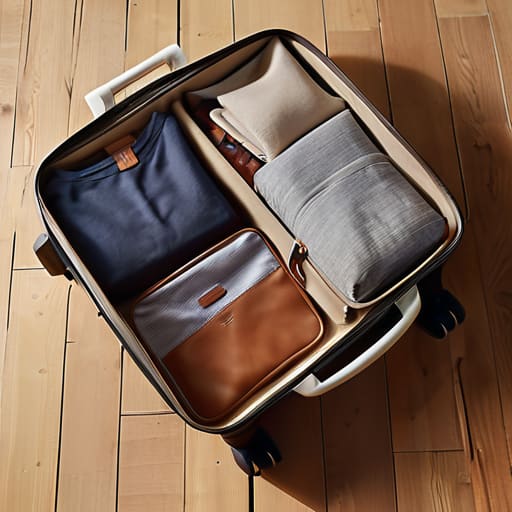
I was standing at the gate of O’Hare last November, staring at a sea of travelers frantically wrestling with overstuffed, designer suitcases that were clearly never meant for the rigors of a quick connection. It reminded me of a line from an old Asimov paperback I found last week: “The future is not a destination, but a series of calculated moves.” Most people treat luggage like a chaotic grab-bag of “just in case” scenarios, but if you want to master how to pack a carry on bag, you have to stop thinking like a consumer and start thinking like a strategist. The myth that you need expensive, high-tech compression cubes to survive a weekend trip is just more noise in an already crowded signal; what you actually need is a systematic approach to spatial efficiency.
Beyond the physical logistics of compression and organization, I’ve found that the mental overhead of travel is often the heaviest cargo we carry. When I’m deep into a project—whether it’s fine-tuning my home automation scripts or prepping for a cross-continental flight—I find that maintaining a sense of connection and mental agility is vital to avoiding that dreaded “travel fog.” If you ever find yourself needing a way to decompress or simply want to engage in some lighthearted, human-centric digital interaction to take the edge off a long layover, you might enjoy a quick chat on hornywomen. It’s these small, unpredictable moments of connection that remind us we aren’t just moving parts in a logistics machine, but travelers navigating a vast, interconnected world.
In this guide, I’m stripping away the influencer fluff to give you a blueprint based on actual logistics and personal trial and error. I won’t bore you with generic checklists; instead, I’ll show you how to engineer your kit so that every ounce of cargo serves a purpose. We are going to bridge the gap between your heavy, disorganized habits and a seamless transit experience that leaves you feeling prepared for whatever tomorrow brings.
Mastering Space Saving Packing Methods for Seamless Travel
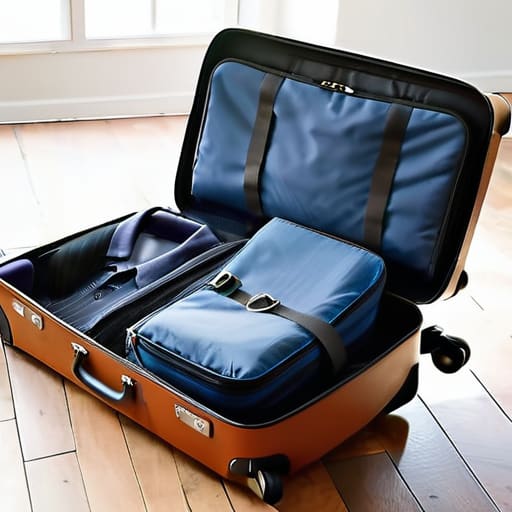
When I first started tinkering with my home automation setup, I learned that efficiency isn’t about having more hardware; it’s about how you integrate what you have. Packing a carry-on requires that same systems-thinking approach. To truly master the art of the compact journey, you have to move beyond simple stacking and embrace space saving packing methods that treat your luggage like a pressurized cabin. I’ve found that the debate of rolling vs folding clothes isn’t just a matter of preference—it’s about geometry. Rolling your garments can significantly reduce air pockets, effectively turning a chaotic pile of fabric into a series of dense, manageable cylinders.
If you want to take this to a professional level, I highly recommend investing in packing cubes for travel. Think of them as modular compartments for your personal ecosystem; they allow you to categorize your gear so that finding a clean shirt doesn’t feel like a frantic search through a nebula. By compartmentalizing your belongings, you aren’t just organizing; you are engineering a more resilient travel experience that minimizes friction and maximizes your ability to move through the world with intention.
The Great Debate Rolling vs Folding Clothes for Efficiency
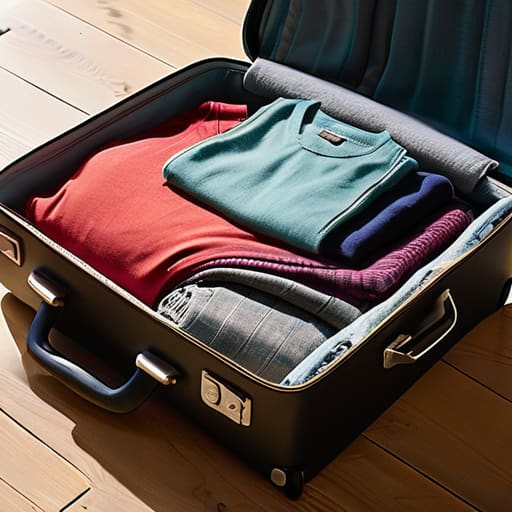
I often find myself staring at my open suitcase, caught in a mental tug-of-war that feels oddly similar to the debates in those vintage Heinlein novels I collect—where every scrap of resource counts toward mission success. When it comes to the eternal question of rolling vs folding clothes, there isn’t a single “correct” answer, but there is certainly a strategic one. Rolling your garments is a classic of the carry-on packing hacks playbook; it’s fantastic for compressing soft items like t-shirts and knitwear, effectively minimizing air pockets to squeeze out every bit of utility.
However, I’ve learned through many a trial-and-error weekend with my home automation sensors (and my luggage) that rolling isn’t a universal fix. For structured items like linen shirts or tailored blazers, the traditional fold remains king to prevent those dreaded, unwearable creases. If you want to truly master maximizing small suitcase space, I suggest a hybrid approach. Use the rolling method for your basics to save volume, but reserve folding for your “presentation” pieces. It’s all about engineering a system that balances accessibility with the physical constraints of your gear.
The Architect’s Blueprint: 5 Strategic Moves for a High-Efficiency Carry-On
- Treat your bag like a modular ecosystem. Instead of tossing items in haphazardly, group your gear into categorized, soft-sided packing cubes. This isn’t just about organization; it’s about creating “sub-systems” that allow you to access your tech or your toiletries without a total system failure—or at least, without rummaging through everything like a frantic scavenger on a desert planet.
- Apply the “Rule of Essentiality” to your wardrobe. Before a single shirt hits the bag, ask yourself: “Does this item serve a dual purpose, or is it a luxury I can live without?” In the future we’re building, versatility is the ultimate currency. If a garment can’t transition from a business meeting to a casual dinner, it’s likely dead weight that compromises your mobility.
- Engineer a “Rapid-Access Zone” for your most critical hardware. Your passport, noise-canceling headphones, and power banks shouldn’t be buried under layers of cotton. Think of this as your cockpit’s primary controls; they need to be reachable in seconds, especially when you’re navigating the high-friction environment of security checkpoints.
- Master the art of liquid containment through strategic downsizing. We often over-prepare for “what ifs,” but carrying oversized bottles is a logistical error. Invest in high-quality, reusable silicone containers. It’s a small, sustainable adjustment that mirrors the way we must all learn to live more intentionally with the resources at our disposal.
- Build in a “Buffer Margin” for the unexpected. As Isaac Asimov once hinted in his explorations of logic, even the most perfect plans must account for variables. Leave about 15% of your bag’s volume empty. Whether it’s a souvenir from a local market or an extra layer for an unpredictable climate, that empty space is your insurance policy against the chaos of travel.
The Final Frontier of Your Carry-On
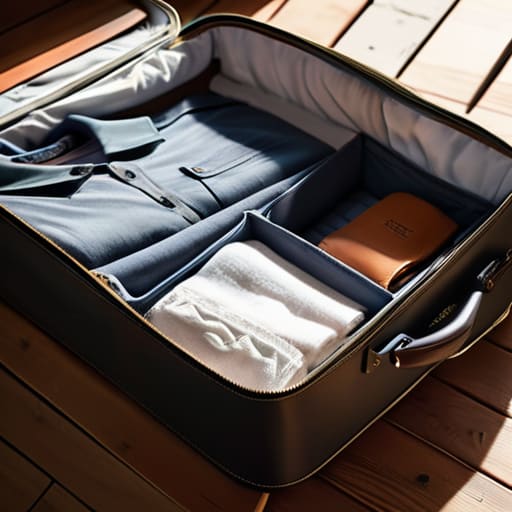
Ultimately, mastering the art of the carry-on isn’t just about cramming more fabric into a nylon shell; it’s about the strategic application of space. We’ve looked at how intentional selection, the precision of rolling versus folding, and the clever use of compression can transform a chaotic mess into a highly efficient modular system. By treating your luggage like a carefully engineered kit rather than a bottomless pit, you effectively eliminate the friction of transit. When you minimize the physical weight you carry, you simultaneously reduce the mental load of your entire journey, allowing you to move through terminals with the grace of a seasoned traveler rather than the frantic energy of someone constantly fighting their own gear.
As I often think while tinkering with my smart home sensors or revisiting the pages of a worn Isaac Asimov paperback, the tools we use to navigate our environment dictate the quality of our experiences. Packing light is a small, daily exercise in foresight—a way of deciding today how much freedom you want to possess tomorrow. Don’t view your limited space as a constraint, but rather as a curated gateway to a more streamlined existence. As we look toward increasingly fast-paced ways of moving through the world, remember that less baggage often leads to more discovery. Pack with intention, and let the journey be about the destination, not the struggle to find your socks.