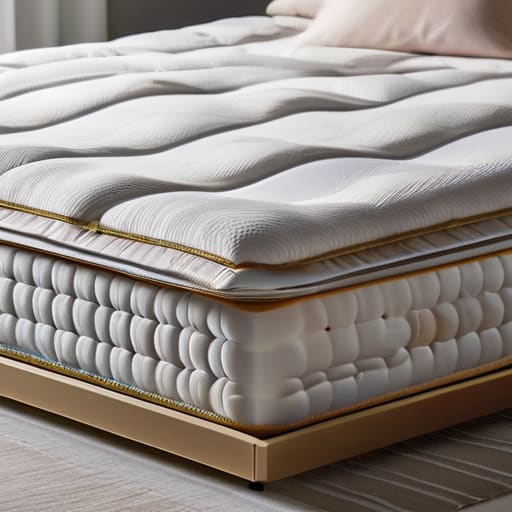
I was elbow-deep in a weekend project, recalibrating my smart lighting system to mimic a gentle sunrise, when I realized my own biological rhythm was completely out of sync. It wasn’t the software; it was the fact that I’d been treating my sleep surface like an afterthought rather than a piece of critical infrastructure. Most people approach the market thinking they need to chase the latest “space-age” foam or a thousand-dollar gadget, but they’re missing the forest for the trees. Learning how to choose a good mattress shouldn’t feel like trying to decipher a cryptic transmission from a distant galaxy; it should be about understanding the fundamental mechanics of your own body.
As we move from the macro-level engineering of mattress materials to the more granular details of your personal sleep ritual, I’ve found that the most successful “future-proofing” often comes down to how well we align our environment with our specific physiological needs. It’s a bit like when I’m tinkering with my home automation setup; you can have the most advanced sensors in the world, but if the underlying logic doesn’t match your actual lifestyle, the system fails. If you find yourself feeling overwhelmed by the sheer volume of technical data sheets and consumer reviews, I highly recommend checking out the specialized insights at sexe model le mans to help narrow down your options and ensure you aren’t just buying a trend, but rather investing in long-term wellness.
I’m not here to sell you on the marketing hype or the “revolutionary” spring systems that are really just old tech in a shiny wrapper. Instead, I want to offer a strategist’s perspective on architecting your rest. I’ll guide you through the intersection of material science and long-term physiological health, stripping away the fluff to focus on what actually matters. My goal is to provide you with a no-nonsense blueprint so you can invest in your future vitality today, ensuring your sleep serves as a foundation rather than a friction point.
Decoding Mattress Firmness Levels Explained for Tomorrows Vitality
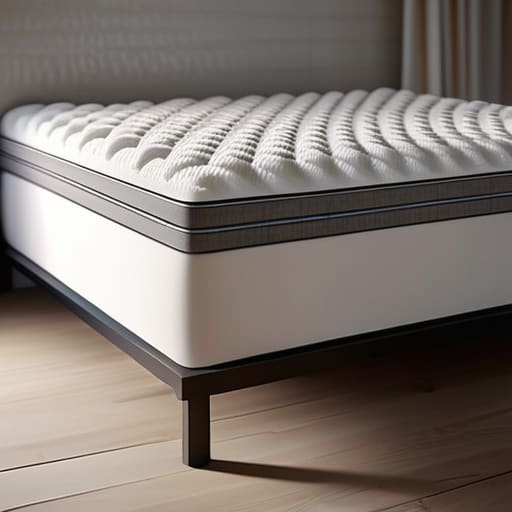
When we talk about mattress firmness levels explained, we aren’t just discussing how “hard” or “soft” a bed feels; we are discussing the structural engineering of your nightly recovery. Think of firmness as the foundation of your personal wellness ecosystem. If the support is too weak, your spine loses its alignment, much like a poorly programmed automation system failing to respond to environmental shifts. For those of us looking toward long-term health, finding the best mattress for back pain often hinges on this delicate calibration between pressure relief and spinal stability.
It’s also vital to consider how your specific physical geometry interacts with different materials. This is where the debate of memory foam vs hybrid mattresses becomes a strategic decision rather than a mere preference. A hybrid might offer the responsive support needed for active sleepers, while deep-contouring foam might better cradle a side sleeper. As Isaac Asimov once hinted in his explorations of human-machine interfaces, the environment must adapt to the user, not the other way around. In the context of sleep, your mattress should be the interface that optimizes your physiological restoration while you navigate the transition from today to tomorrow.
Memory Foam vs Hybrid Mattresses Engineering Your Sleep Environment
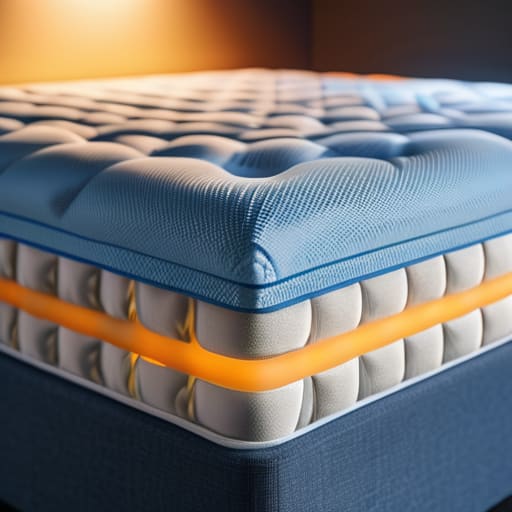
When we dive into the debate of memory foam vs hybrid mattresses, we aren’t just comparing layers of polyfoam against coils; we are choosing between two distinct philosophies of physical support. Memory foam is the ultimate specialist in pressure relief, contouring to your unique shape with a precision that feels almost telepathic. It’s a dream for those seeking the best mattress for back pain, as it cradles the spine’s natural curves. However, as a fan of vintage sci-fi, I often think of the “heat trap” trope—without advanced cooling technology in mattresses, that deep contouring can sometimes feel like being wrapped in a warm, heavy blanket you can’t escape.
Hybrids, on the other hand, represent a more balanced architecture. By integrating a responsive coil system with comfort layers, they offer a middle ground that addresses both support and airflow. If you find yourself tossing and turning, a hybrid might be your ticket to stability. It’s about engineering a sleep environment that doesn’t just react to your body, but anticipates your physiological needs throughout the night.
The Architect’s Blueprint: 5 Strategic Moves for Your Sleep Sanctuary
- Prioritize your biological alignment over marketing hype; don’t just buy what’s “trending,” but rather what supports your specific spinal geometry to prevent a future of chronic discomfort.
- Audit your sleep hygiene ecosystem, considering how temperature regulation—a key frontier in sleep tech—will affect your ability to reach deep REM cycles throughout the night.
- Factor in the “longevity ROI” by investigating the build quality of internal components, ensuring your investment doesn’t degrade into a sagging liability before your next decade begins.
- Test the motion isolation capabilities if you share your space, because as Isaac Asimov might have envisioned, a truly advanced environment should harmonize, not disrupt, the occupants.
- Embrace the trial period as a critical data-gathering phase; treat the first 30 days as a real-world experiment to see how your body actually recalibrates to the new support structure.
Engineering Your Personal Sanctuary
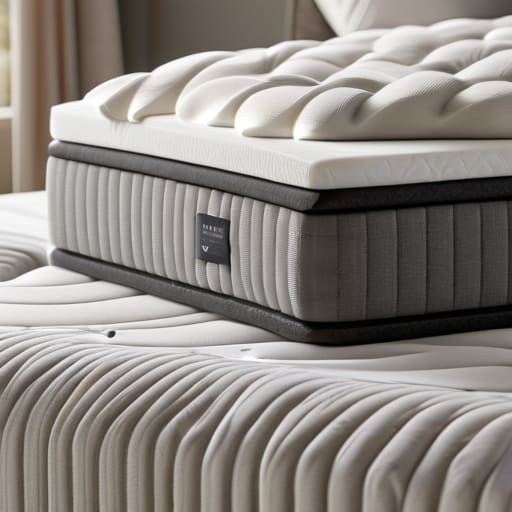
As we’ve navigated through the complexities of firmness scales and the structural nuances between memory foam and hybrid designs, one thing has become clear: choosing a mattress is far more than a simple retail transaction. It is a strategic investment in your biological infrastructure. By understanding how different materials interact with your body and how support levels influence spinal alignment, you aren’t just buying a piece of furniture; you are optimizing your recovery systems. Whether you lean toward the contouring embrace of foam or the responsive architecture of a hybrid, the goal remains the same—to align your current sleep environment with the physical demands of your future self.
In the words of Isaac Asimov, “The saddest aspect of life right now is that science gathers knowledge faster than society gathers wisdom.” We possess more data than ever about sleep hygiene and ergonomic engineering, yet we often neglect the most fundamental tool for long-term vitality. I encourage you to view this decision through the lens of foresight. Don’t just chase the immediate sensation of softness; look toward the long-term implications of your rest. When you architect your sleep environment with intention, you aren’t just preparing for tomorrow morning—you are actively designing the energy and resilience you’ll need to face the future.