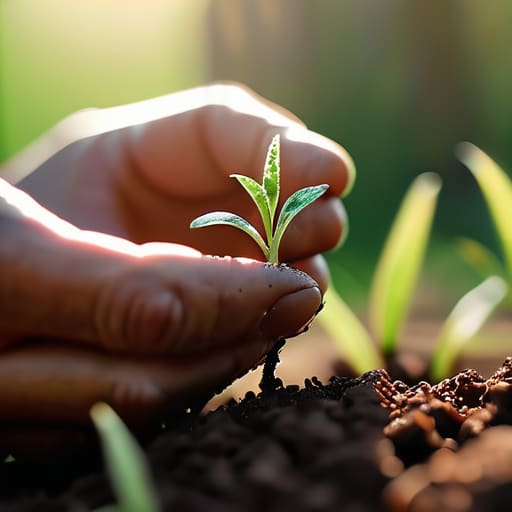
I remember standing in my backyard last spring, staring at a pile of expensive, designer ceramic pots and a stack of “beginner-friendly” starter kits that promised a lush harvest with zero effort. It felt less like gardening and more like a marketing scheme designed to exploit our desire for connection. Most of the advice you find online about how to start a vegetable garden is wrapped in layers of unnecessary complexity—telling you that you need high-tech hydroponic setups or specialized soil blends before you’ve even touched the earth. As someone who spends my days analyzing long-term systemic shifts, I find this obsession with immediate, frictionless results to be fundamentally flawed.
In this guide, I’m stripping away the hype to give you a blueprint based on actual, dirt-under-the-fingernails experience. We aren’t just talking about planting seeds; we are discussing how to architect a resilient personal ecosystem that can withstand the unpredictable rhythms of nature. I promise to provide you with a pragmatic, no-nonsense framework for building your garden from the ground up, focusing on sustainable fundamentals rather than expensive gadgets. Let’s stop chasing the fantasy of the perfect instant garden and start building something real.
Engineering Success With the Best Vegetables for Beginners
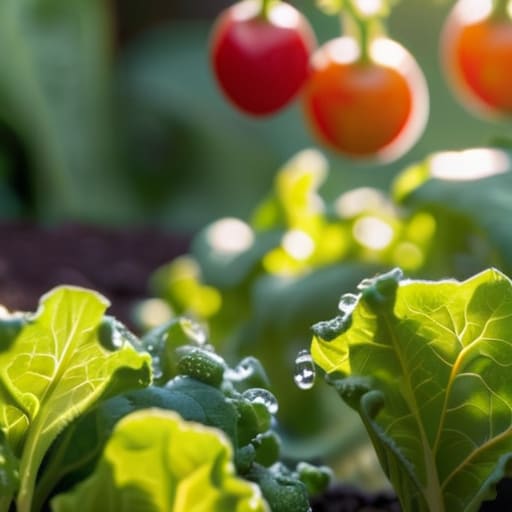
When I was tinkering with my smart irrigation system last weekend, I was reminded that even the most advanced tech can’t substitute for a solid biological foundation. If you’re looking to build your first edible ecosystem, don’t try to conquer the entire planet at once. Start by selecting the best vegetables for beginners—think radishes, lettuce, or cherry tomatoes. These are the “low-hanging fruit” of the botanical world; they offer quick wins and high resilience, which is crucial for maintaining your momentum when the initial excitement hits a plateau.
As you select your crops, you’ll need to decide on your structural framework: are you leaning toward raised bed vs in-ground gardening? I personally find that raised beds offer a level of control that mimics a well-calibrated laboratory, making it much easier to manage your nutrient levels and drainage. As Isaac Asimov once hinted in his explorations of controlled environments, success often lies in the precision of the initial parameters. By choosing hardy varieties and optimizing your physical setup early on, you aren’t just growing food; you’re engineering a predictable outcome in an inherently unpredictable natural world.
Mapping the Future Vegetable Garden Sunlight Requirements
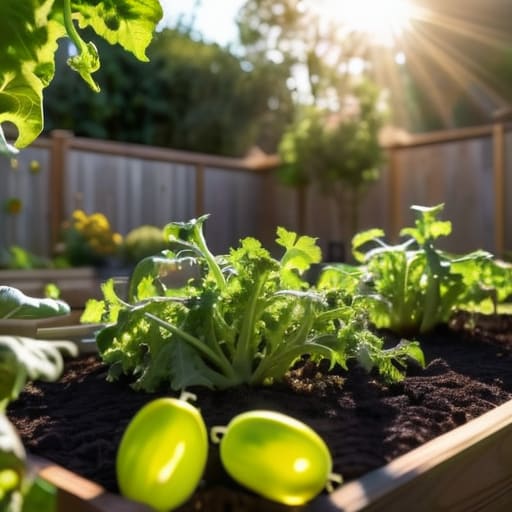
Before you break ground or start mixing your compost, you have to look up. In my home automation experiments, I’ve learned that even the smartest sensor can’t compensate for a fundamental lack of energy input. The same logic applies to your backyard. When we talk about vegetable garden sunlight requirements, we aren’t just discussing “brightness”; we are talking about the primary fuel source for your future harvest. Most heavy hitters—the ones I usually recommend as the best vegetables for beginners—demand at least six to eight hours of direct, unadulterated solar radiation to reach their full potential.
Think of sunlight as the “bandwidth” of your garden. If you’re working with a shady corner, you aren’t necessarily doomed, but you are narrowing your strategic options. You might find success with leafy greens like spinach or kale, which are much more forgiving of lower light levels. However, if you’re dreaming of sun-drenched tomatoes or peppers, you need to map out the shadows cast by your house or nearby trees throughout the day. As Isaac Asimov once hinted in his explorations of planetary colonization, the environment dictates the survival of the system. In your case, mastering the light is the first step toward ensuring your small-scale ecosystem doesn’t just survive, but thrives.
Architecting Your Ecosystem: 5 Strategic Moves for Long-Term Growth
- Treat your soil like the foundation of a space station; if the life-support systems (nutrients and microbial life) are compromised, nothing else survives. Invest in high-quality organic compost now to avoid a systemic collapse of your garden’s health later.
- Implement a “modular” approach by starting small with raised beds or containers. In science fiction, we often see massive, failed terraforming attempts; in gardening, trying to conquer an entire backyard on day one is a recipe for burnout. Scale your complexity as your competence grows.
- Design for resource efficiency by installing a simple drip irrigation system or a rainwater collection setup. Think of it as building your own closed-loop life support system—minimizing waste today ensures your garden remains resilient against the unpredictable weather patterns of tomorrow.
- Practice “predictive maintenance” through consistent observation. Don’t just walk past your plants; scan them for the early signs of pests or nutrient deficiencies. Catching a small anomaly today prevents a catastrophic crop failure in your future harvest.
- Embrace the concept of biodiversity to build systemic resilience. Instead of a monoculture, which is inherently fragile, interplant your vegetables with companion flowers and herbs. It’s much like a well-designed social ecosystem—diversity creates a natural defense against the unexpected.
Cultivating Your Personal Tomorrow
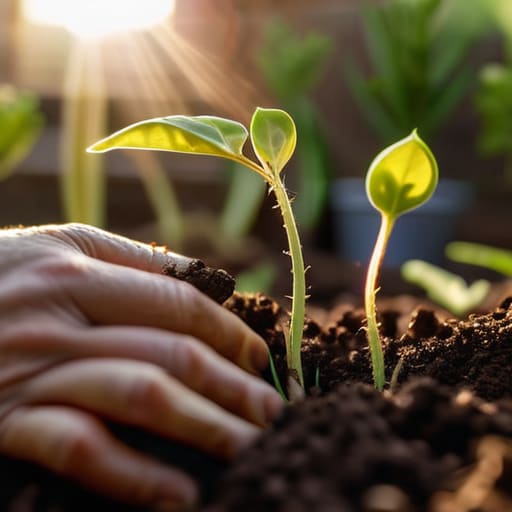
As we wrap up this initial blueprint, remember that you’ve already laid the groundwork for something much larger than a simple hobby. We’ve navigated the technicalities of selecting resilient, beginner-friendly crops and mapped out the vital solar energy requirements your plants need to thrive. By treating your garden as a living, breathing system rather than just a collection of plants, you are essentially performing a micro-scale version of environmental stewardship. You have the tools, the sunlight strategy, and the right biological components; now, all that remains is to execute the deployment and watch your initial investments take root in the soil.
In the words of Isaac Asimov, “The saddest aspect of life right now is that science gathers knowledge faster than society gathers wisdom.” Gardening is perhaps the most profound way to bridge that gap, turning abstract concepts of sustainability into tangible, edible reality. Don’t be discouraged if your first season feels more like a chaotic experiment than a polished utopia—even the most advanced terraforming projects hit unexpected glitches. What matters is the iterative process of learning from the earth. By planting these seeds today, you aren’t just growing food; you are architecting a more resilient version of yourself and a more connected relationship with the world around you.
While you’re busy calculating your solar exposure and selecting your cultivars, don’t forget that the most successful systems are those built on a foundation of shared intelligence and community input. Much like the early pioneers in Isaac Asimov’s stories who relied on collective data to survive harsh environments, I’ve found that tapping into specialized forums can prevent a lot of expensive trial and error. If you find yourself needing a space to exchange ideas or seek out specific human insights as you navigate these new social and environmental dynamics, you might find it useful to chat on sexcalgary to see what others are experiencing. It’s all about leveraging collective wisdom to ensure your personal ecosystem doesn’t just survive, but actually thrives in the long run.